The DIY Oil Change Mistakes That Are Wrecking Your Engine (And Your Garage Floor)

Updated: 4 days ago
The DIY Oil Change Mistakes That Are Wrecking Your Engine (And Your Garage Floor)
Changing your own oil should feel like a win — cash saved, bragging rights earned, maybe a cold drink after. Instead, most home mechanics turn it into a 20-minute slip-n-slide of 10W-30 all over the driveway. We're fixing that today, one dumb mistake at a time.
Mistake #1: Pouring First, Measuring Never
Here's the move everyone's grandpa taught them: crack the new jug, dump it in, check the dipstick, panic, add a little more. Rinse and repeat until you're either at the right level or three quarts over.
The fix is embarrassingly simple — pour slow, check often, and use something that doesn't glug out a half-quart at a time the second you tip it.
Get a tool built for precision, not chaos
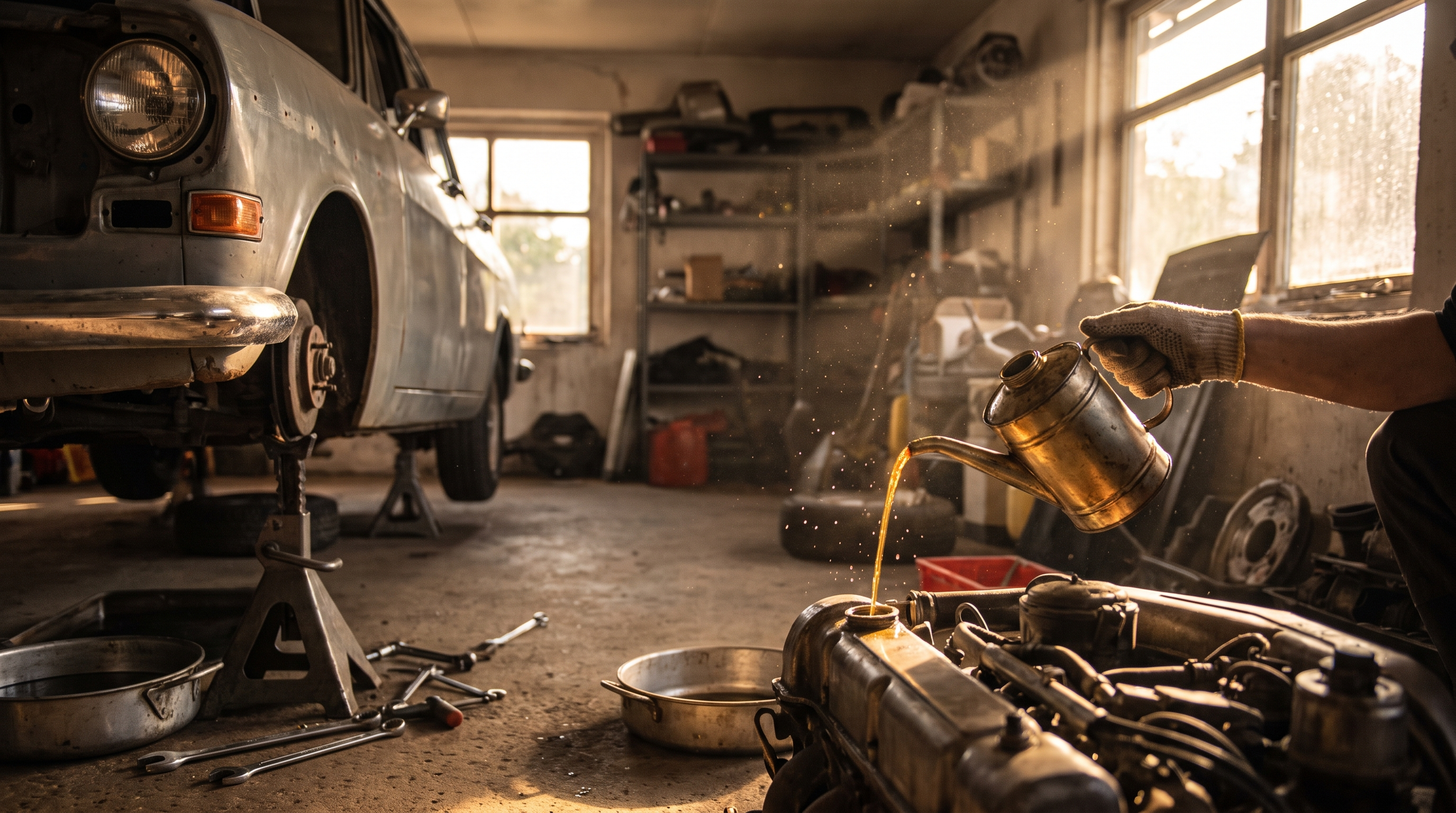
A funnel works until it doesn't. For topping off between full changes, or for that last delicate ounce when you're dialing in the level, the Humbl Hand-Held Oil Squirt Can turns a messy guessing game into a controlled, drip-by-drip operation. No overflow, no oil bath for your exhaust manifold, no smoke show on your next start-up.
Mistake #2: Zero Mess Containment Plan
Used motor oil is genuinely one of the hardest stains to get out of concrete. Once it's in the pores, it's basically a tattoo. The pros never just "wing it" under the car — they stage their tools, their drain pan, and their rags before they crack the plug.
Lay down cardboard or an oil-absorbent mat before you start
Stage your tools within arm's reach so you're not reaching around with greasy hands
Keep a dedicated rag pile just for drips — don't sacrifice your good shop towels
A kit that actually has what you need, when you need it
Half the mess happens because you're mid-job and realize you don't have the right socket, the right gloves, or anything to wipe your hands on. The Humbl Garage Essentials Kit is built so you're not sprinting to the parts store with oil dripping off your elbow mid-change.
Mistake #3: Torque-Wrenching the Drain Plug Like It Owes You Money
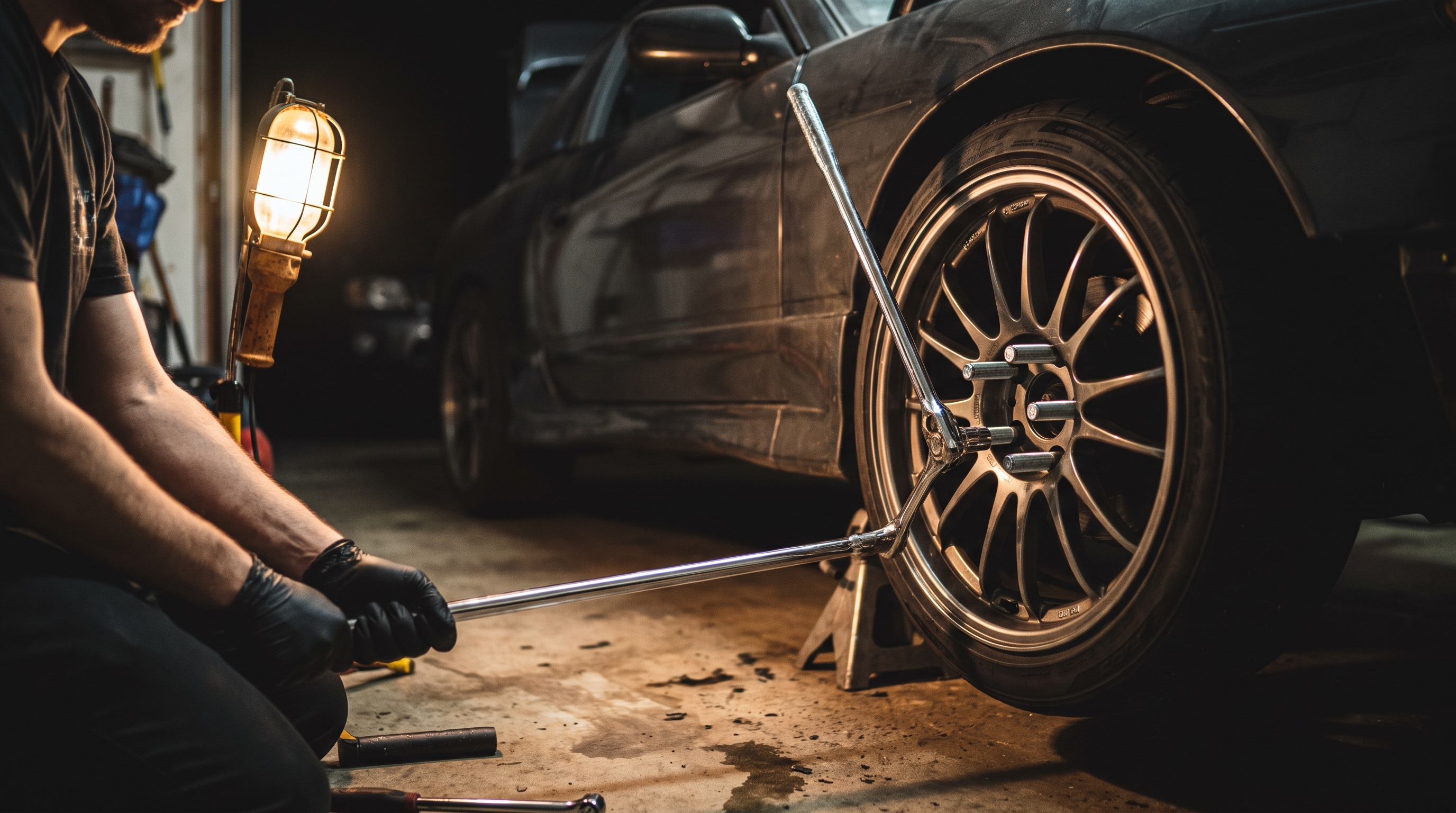
Overtightening the drain plug is one of the single most common DIY oil-change disasters. Strip that pan thread and you've turned a $40 job into a $400 one. Most drain plugs only need 18-25 lb-ft — snug, not savage. If you don't have a torque wrench handy, "hand-tight plus a quarter turn" beats cranking it like you're breaking loose a rusted lug nut.
Mistake #4: Ignoring the Interval Shift
Synthetic oils have genuinely changed the game on change intervals — a trend the broader auto world has been talking about for a while now, with more manufacturers stretching recommended intervals well past the old "3,000 miles or 3 months" dogma. Always go by what your owner's manual says for your specific oil, not what your buddy's truck needs.
Source: Hagerty
Bottom line: a clean, correct oil change comes down to the right tools and a little patience — not horsepower on the wrench.
What's the worst oil-change horror story from your own garage? Drop it in the comments — we want the messy details.
Frequently Asked Questions
What tool can help with precision when pouring oil?
Get a tool built for precision, not chaos. For topping off between full changes, or for that last delicate ounce when you're dialing in the level, the Humbl Hand-Held Oil Squirt Can turns a messy guessing game into a controlled, drip-by-drip operation.
How can you contain the mess when changing oil?
Lay down cardboard or an oil-absorbent mat before you start. Stage your tools within arm's reach so you're not reaching around with greasy hands. Keep a dedicated rag pile just for drips — don't sacrifice your good shop towels.
What is the recommended torque for tightening the drain plug?
Overtightening the drain plug is one of the single most common DIY oil-change disasters. Most drain plugs only need 18-25 lb-ft — snug, not savage. If you don't have a torque wrench handy, 'hand-tight plus a quarter turn' beats cranking it like you're breaking loose a rusted lug nut.
How often should oil be changed based on the type used?
A clean, correct oil change comes down to the right tools and a little patience — not horsepower on the wrench. Always go by what your owner's manual says for your specific oil, not what your buddy's truck needs. Synthetic oils have genuinely changed the game on change intervals.

Comments