Your Wheels Are One Snapped Stud Away From a Very Bad Day — Here's the $40 Fix

Updated: 3 days ago
Stock wheel studs are engineered to one spec: "good enough." They're short, they're skinny, and the second you throw on aftermarket wheels with thicker lugs or deep-dish spacers, you're down to a few threads of engagement holding 1,000+ lbs of rotating metal to your hub. We're fixing that today, and it's one of the easiest wins in the whole garage.
Why Stock Studs Are Living on Borrowed Time
Factory engineers design wheel studs for factory wheels. Simple as that. The problems start the moment you change the equation:
Aftermarket wheels often have thicker mounting pads, eating into usable thread length
Wheel spacers stack extra material between the hub and the wheel, shortening engagement even more
Track days and aggressive driving put serious shear load on studs that were barely spec'd for daily commuting
Run any of those combos on stock studs and you might be clamping a lug nut onto 3-4 threads instead of the 7-8 you actually want. That's not a "might fail someday" problem — that's a "why is my wheel wobbling at 70 mph" problem.
Enter: Extended Wheel Studs
Extended studs are exactly what they sound like — longer, often stronger, drop-in replacements for your factory studs. More thread engagement means:
More clamping force holding the wheel to the hub
Easier wheel changes — you can actually start the lug nut by hand before going near an impact gun
Peace of mind on spacers, aggressive offsets, or track days
This is exactly the lane our Megan Racing 20-pc Extended Wheel Studs live in — a full 20-piece set so you're not stuck doing the math on how many you need per corner.
The Install: What Actually Happens
This is a weekend driveway job, not a shop appointment. Here's the real rundown:
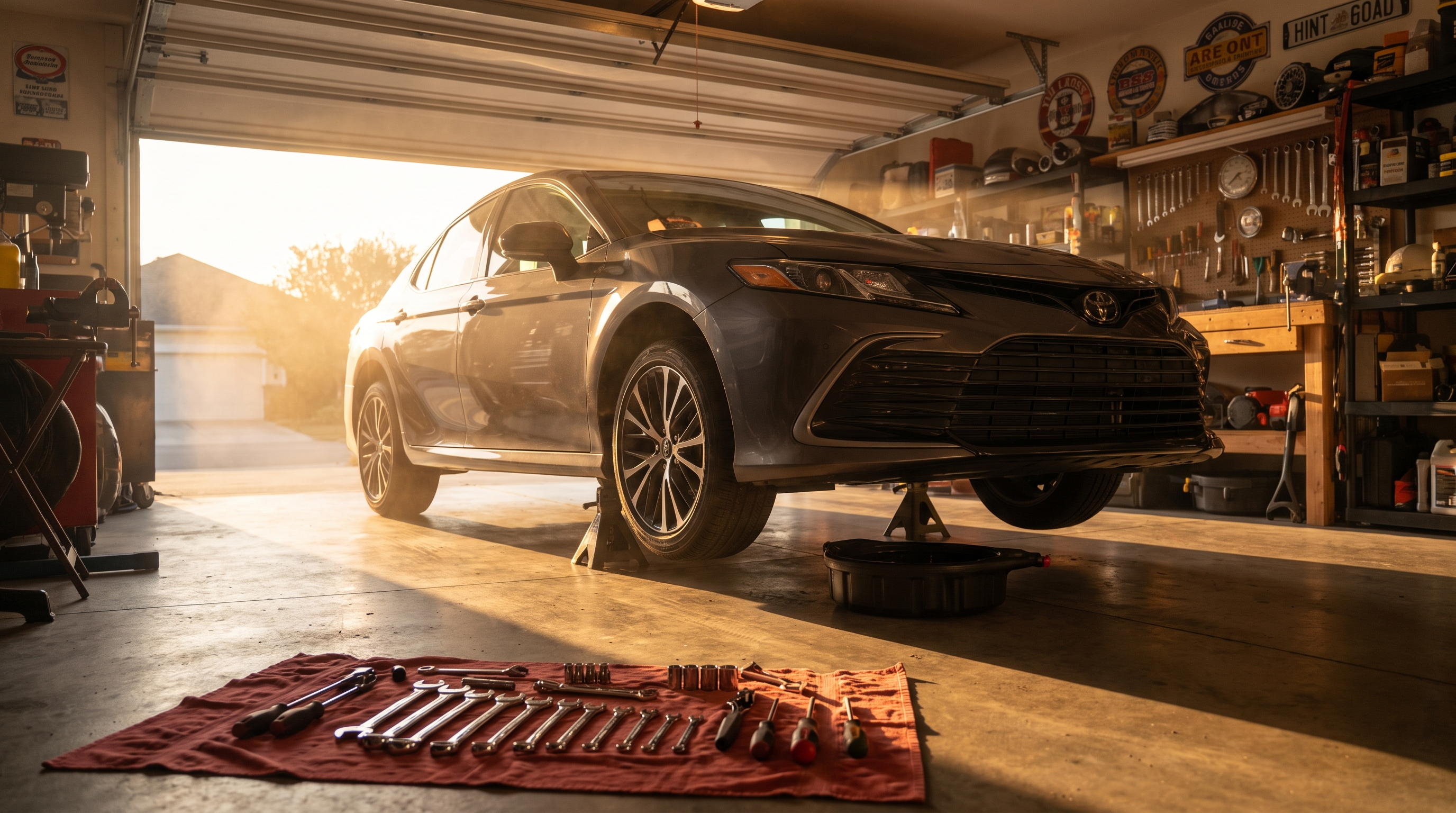
Safely support the car — jack stands, every time. No exceptions, no "it'll just be a minute."
Pull the wheel and remove the old stud (press-out tool or a stack of washers and a lug nut both work in a pinch).
Press in the new extended stud until it seats flush against the hub flange.
Reinstall the wheel and thread the lug nuts by hand first — this alone tells you everything is seated correctly.
Torque Specs Are Not a Suggestion
Grab a torque wrench and look up your exact manufacturer spec — most passenger cars land somewhere in the 80-100 ft-lbs range, but don't guess. Over-torquing stretches studs; under-torquing is how wheels come loose. Snug by hand, then torque in a star pattern, never going around in a circle.
One more pro tip: re-torque after your first 50 miles of driving. New hardware settles, and that quick double-check is the difference between "nice upgrade" and "nice upgrade that stayed on the car."
Track day culture keeps growing across the enthusiast world, and the hardware under your wheels matters more than ever — see more at Hagerty.
Bottom line: extended wheel studs are cheap insurance for a part of your car you genuinely cannot afford to have fail.
Have you made the switch to extended studs, or are you still riding on factory hardware? Drop a comment and let us know what's turning under your fenders.
Frequently Asked Questions
What are stock wheel studs engineered for?
Stock wheel studs are engineered to be 'good enough' for factory wheels. They are short and skinny, and their design does not account for aftermarket modifications like thicker lugs or deep-dish spacers.
Why are stock wheel studs not suitable for aftermarket wheels?
Factory engineers design wheel studs for factory wheels. The problems start when aftermarket wheels are used, as they often have thicker mounting pads that eat into the usable thread length, and wheel spacers stack extra material between the hub and the wheel, shortening engagement even more.
What is the main benefit of using extended wheel studs?
Extended wheel studs provide more thread engagement, which means more clamping force holding the wheel to the hub, easier wheel changes, and peace of mind on spacers, aggressive offsets, or track days.

Comments