Don't Get Caught Slipping: 5 DIY Winter-Prep Jobs To Knock Out This Weekend

Don't Get Caught Slipping: 5 DIY Winter-Prep Jobs To Knock Out This Weekend
Cold weather doesn't ask permission before it breaks stuff. Dead batteries, squealing hinges, corroded terminals — it's all coming for your ride the second the temps drop, and most of it is a 30-minute fix if you catch it now instead of in a parking lot at 6am. Grab your gloves, we're going job by job.
Why Winter Wrecks Cars Faster Than Anything Else
Cold air is denser, oil thickens, rubber stiffens, and your battery's cranking power can drop by 30-50% once temps dip near freezing — which is exactly why dead-battery calls spike every single year the first real cold front hits. None of this is new info to anyone who's ever lived through a January morning with a car that just clicks. The fix isn't magic, it's maintenance.
1. Attack Battery Corrosion Before It Attacks You
That white, crusty buildup on your terminals isn't just ugly — it's resistance, and resistance is exactly what you don't want when the battery's already struggling in the cold.
Disconnect negative terminal first, always
Scrub with a wire brush or a baking-soda paste
Dry it, then reconnect — negative last
Working around tight terminal clips and sensor connectors without snapping a clip or stripping a wire is its own skill — a solid pair of Electrical Disconnect Pliers makes this a 10-second job instead of a knuckle-busting fight.
2. Lube Every Hinge, Latch, and Lock Before It Freezes Solid
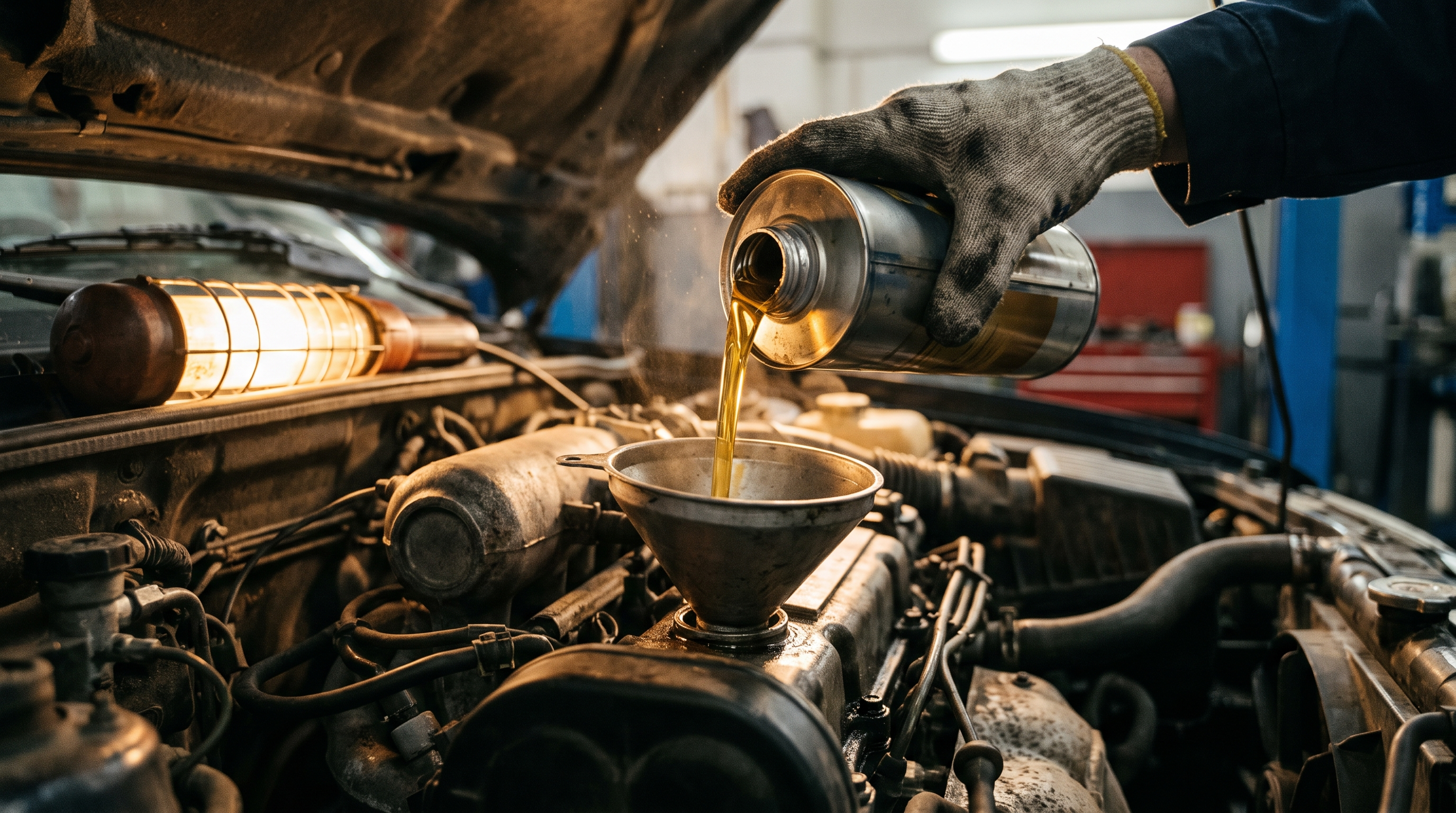
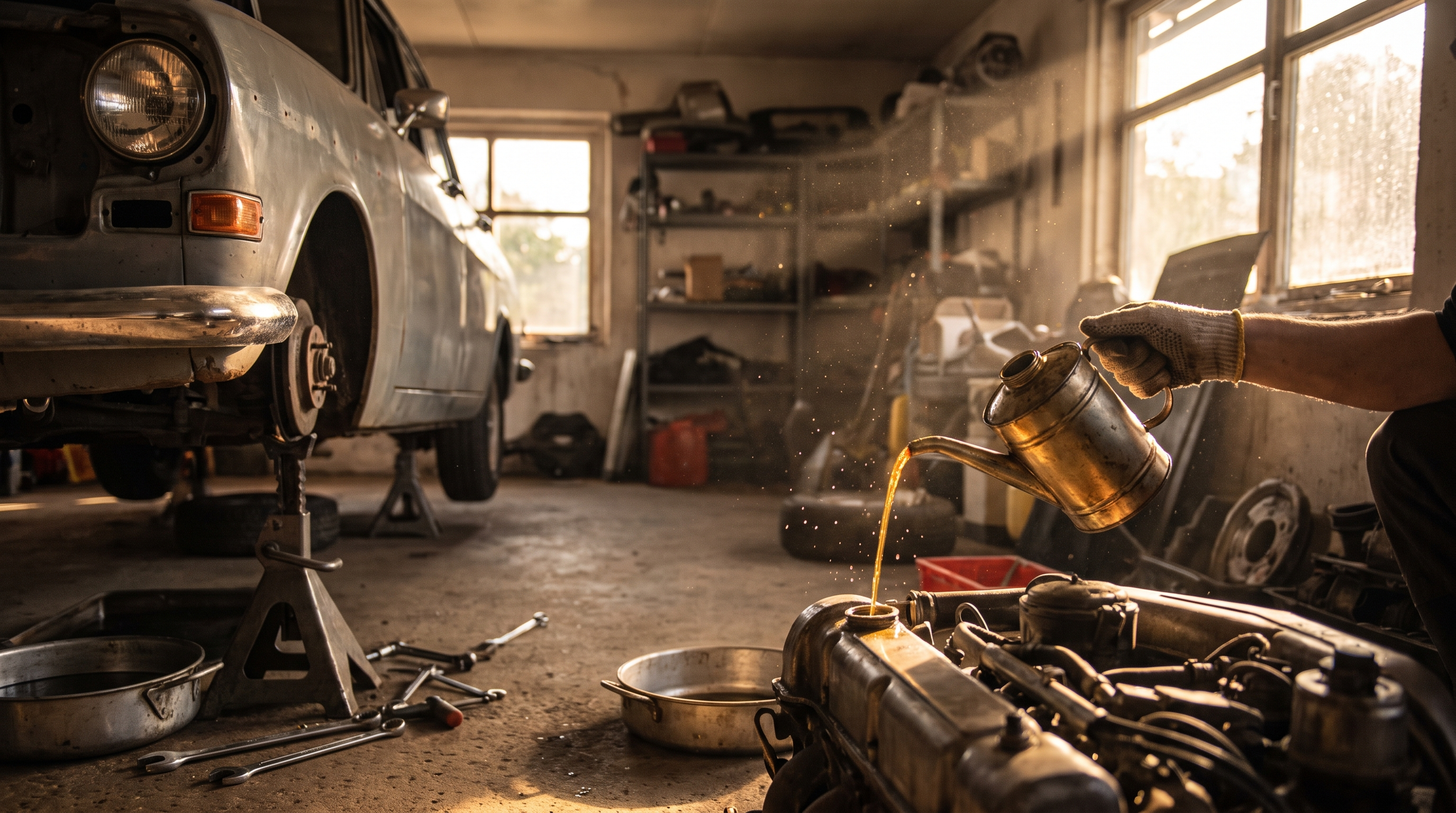
Nothing ruins a cold morning faster than a door that won't budge or a hinge screaming like a dying alligator. Dry rubber and metal contract in the cold — a thin coat of oil now saves you a frozen door handle later.
Hit these spots:
Door hinges and latches
Hood and trunk hinges
Fuel door and glovebox catches
A targeted, no-mess applicator like the Humbl Hand-Held Oil Squirt Can gets oil exactly where it needs to go instead of spraying your whole engine bay.
3. Check Tire Pressure — Seriously, Right Now
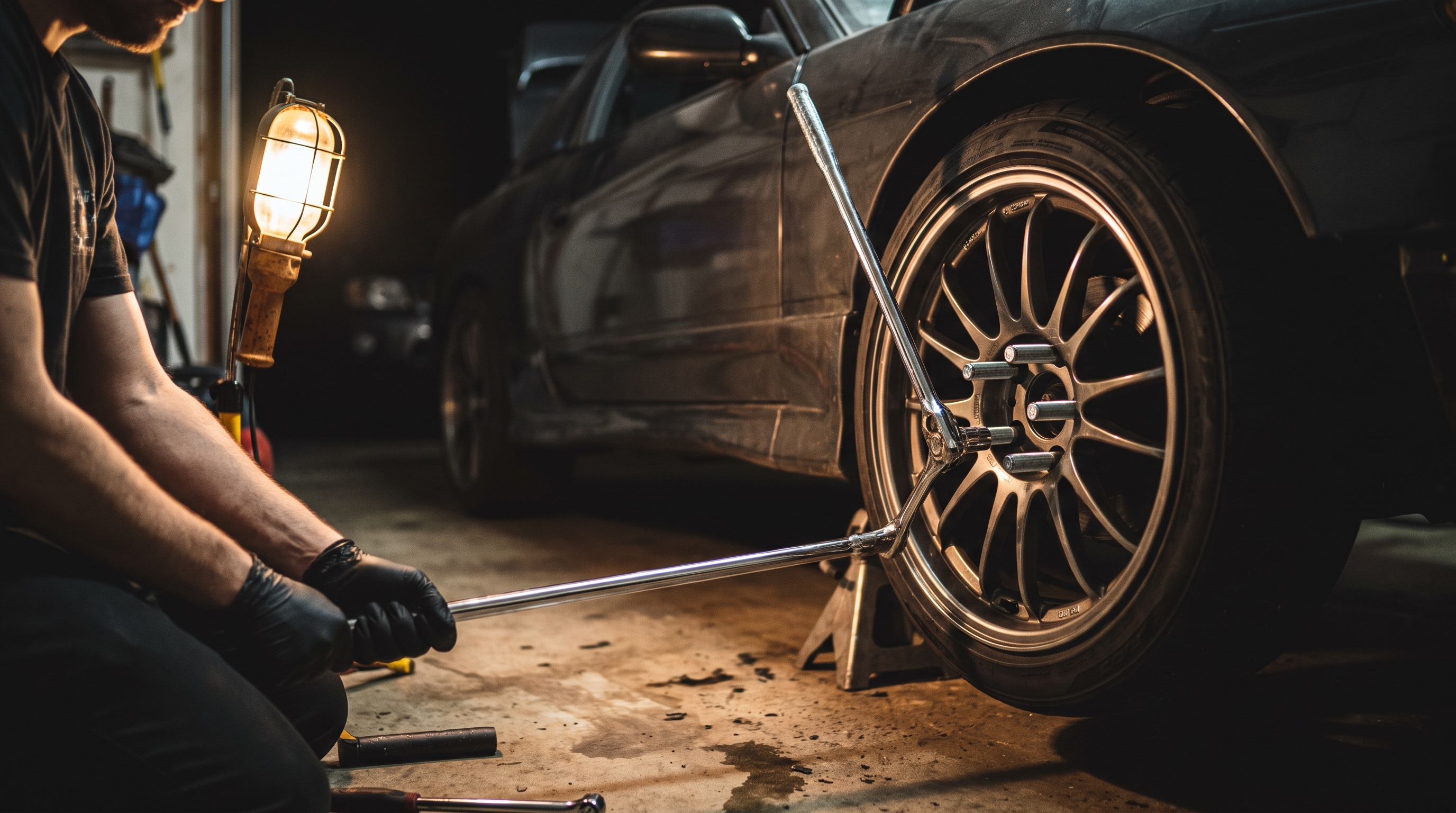
Tire pressure drops roughly 1 PSI for every 10°F the temperature falls. Fill up on a warm fall day and you could be driving on underinflated tires by the first cold snap without ever touching a valve stem. Underinflated tires mean worse grip, worse fuel economy, and faster wear — the opposite of what you want when roads get slick.
4. Strip the Grime Before It Gets Baked On By Salt and Slush
Winter road grime isn't just dirty, it's corrosive — salt brine eats paint and trim if it sits. A quick wash-and-dry routine now keeps your finish fighting through the whole season.
Skip the streaks and swirl marks — a Super-Absorbent Microfiber Car Drying Towel pulls water off the panel in one pass instead of dragging grit across your clear coat.
5. Build (Or Restock) Your Winter Garage Kit
Half of winter car care is just having the right stuff on hand when the cold actually hits — not scrambling to a parts store in the snow. If your toolbox is looking thin, the Humbl Garage Essentials Kit covers the basics so you're not caught flat-footed.
The Bottom Line
None of these jobs take more than 30 minutes, and every single one of them is cheaper than a tow truck. Do them this weekend, not the morning it's already freezing.
What's the one winter car problem that gets you every single year — dead battery, frozen locks, or something weirder? Drop it in the comments.
Frequently Asked Questions
Why is winter so hard on cars?
Cold air is denser, oil thickens, rubber stiffens, and your battery's cranking power can drop by 30-50% once temps dip near freezing. This is why dead-battery calls spike every single year the first real cold front hits.
What should I do about battery corrosion?
Scrub the white, crusty buildup on your terminals with a wire brush or a baking-soda paste. Dry it, then reconnect the negative terminal last. Disconnect the negative terminal first, always.
How do I prevent frozen hinges and latches?
Apply a thin coat of oil to door hinges, latches, hood and trunk hinges, fuel door, and glovebox catches. A targeted, no-mess applicator like the Humbl Hand-Held Oil Squirt Can gets oil exactly where it needs to go.
Why is checking tire pressure important in winter?
Tire pressure drops roughly 1 PSI for every 10°F the temperature falls. Underinflated tires mean worse grip, worse fuel economy, and faster wear. Fill up on a warm fall day to avoid underinflated tires in the first cold snap.
Comments