Five "Facts" So Wild Your Buddy at the Track Will Call You a Liar

Five "Facts" So Wild Your Buddy at the Track Will Call You a Liar
Every gearhead's got one friend who swears their trivia is bulletproof - until you drop THESE on them. We dug through automotive history and pulled five stories so strange they sound fabricated. They're not. Buckle up.
1. The Mercedes Star Was Never Just a Logo
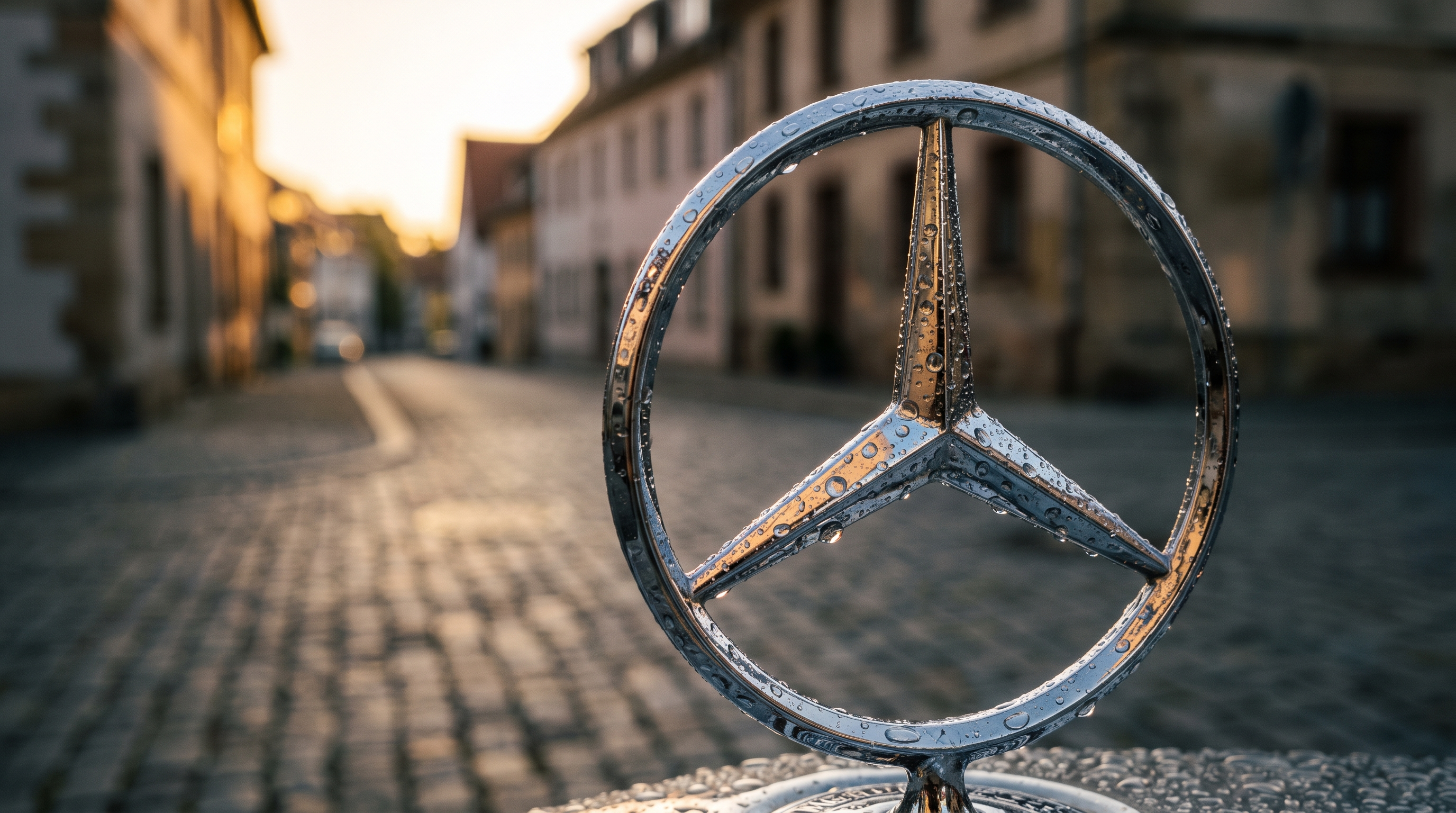
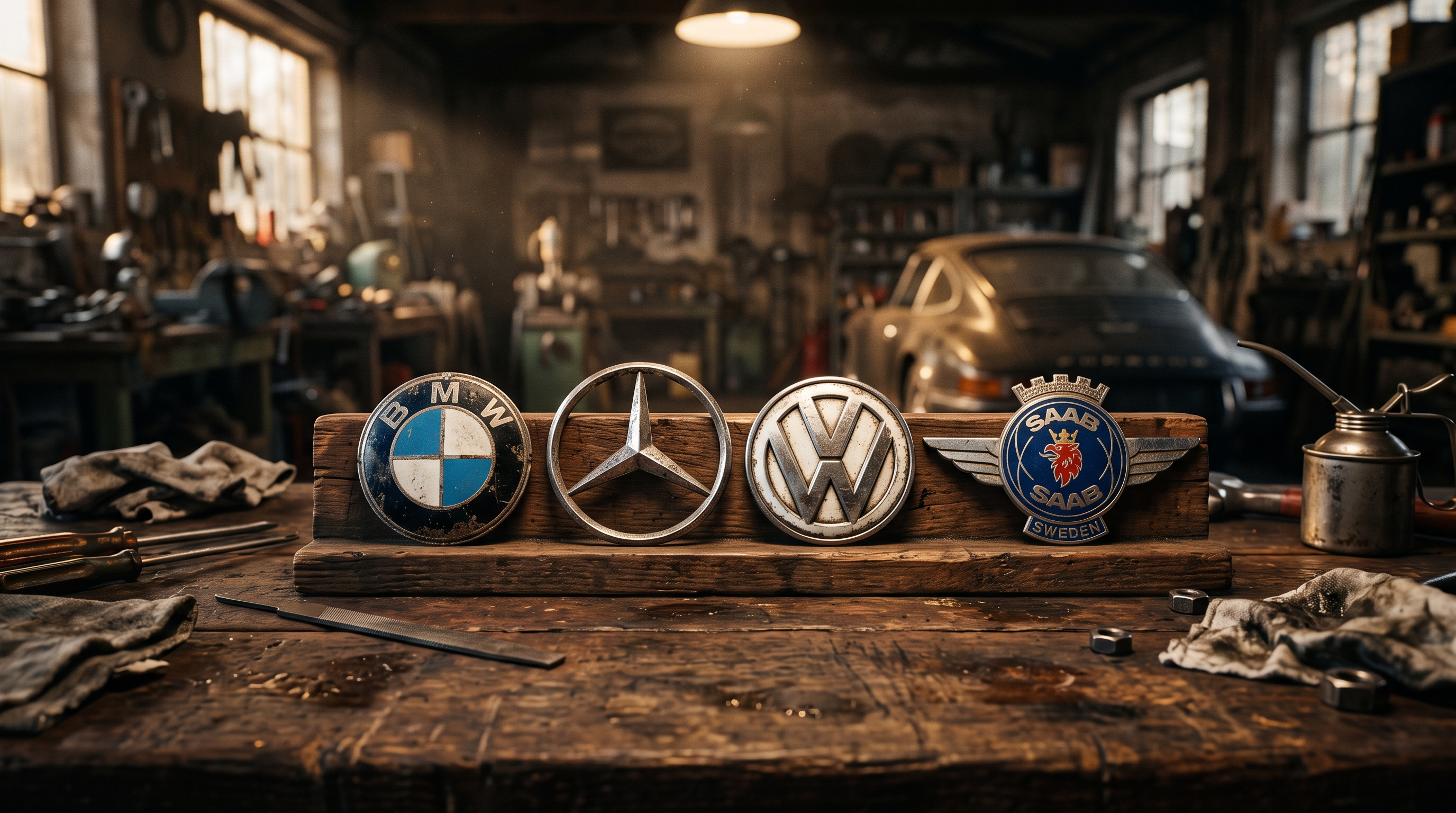
That three-pointed star on every Mercedes-Benz isn't some marketing department's doodle. Gottlieb Daimler sketched it on a postcard to his wife back in 1870, marking the spot where his house stood - and prophesying his engines would one day power transportation on land, sea, and air. Decades later, Daimler's sons turned dad's postcard scribble into the badge. Talk about a long-term vision board.
If your own star's looking a little tired, chrome doesn't stay perfect forever - check out the Mercedes-Benz Chrome Hood Star Emblem in the shop and give your hood its dignity back.
2. The BMW Roundel Is NOT a Spinning Propeller
Here's the one that'll end bar arguments: the "BMW badge is an airplane propeller" story is a myth BMW itself only started pushing in 1929 ads - decades after the badge was designed. The blue-and-white quadrants are actually just Bavaria's state colors, flipped into a circle. BMW did build aircraft engines early on, so the legend stuck - but the badge itself was never meant to be a prop.
Bonus mind-bender
The roundel predates the "flying propeller" marketing by roughly a decade. So every time someone tells you different at a car meet, you've got receipts now.
3. Saab Built Fighter Jets Before It Built Cars
This one isn't a myth - it's just wild. Saab started as Svenska Aeroplan AB, literally translating to "Swedish Aeroplane Company," cranking out fighter jets for the Swedish Air Force years before its first car rolled off the line in 1949. That turbocharged, slightly weird engineering DNA you felt in every Saab 900 or 9-3? That's jet-fighter thinking, repurposed for the daily commute.
Keep a piece of that aviation-grade heritage alive in your cabin with the Saab 9-3 Aero Style Billet Shift Knob - it looks like it belongs in a cockpit because, spiritually, it does.
4. A Woman Invented the Windshield Wiper - And Nobody Believed Her
In 1903, Mary Anderson patented the first manually-operated windshield wiper after watching streetcar drivers stick their heads out into the snow to see. Manufacturers laughed her off, calling it a novelty with no commercial value. Her patent expired before the auto industry caught up - by the 1920s, wipers were standard equipment on nearly every car in America. She never made a dime off it.
5. The Word "Car" Is Basically 2,000 Years Old
"Car" traces back to the Latin carrus and even older Celtic karros - a two-wheeled chariot. Humans have been obsessed with wheeled transportation long before anyone bolted an engine to it. So next time someone says cars are a "modern invention," hit them with the etymology.
Bottom line: half of what you "know" about your favorite badge is probably marketing, not history - and the real stories are better anyway.
Which one of these caught you off guard - the BMW myth, or the Saab jet connection? Drop it in the comments.
Source: Hagerty
Frequently Asked Questions
What does the Mercedes star symbolize?
The three-pointed star on every Mercedes-Benz isn't just a logo. Gottlieb Daimler sketched it on a postcard to his wife back in 1870, marking the spot where his house stood - and prophesising his engines would one day power transportation on land, sea, and air.
Why does BMW have a roundel logo?
The blue-and-white quadrants of the BMW badge are actually just Bavaria's state colors, flipped into a circle.
Why did Saab start building cars?
Saab started as Svenska Aeroplan AB, literally translating to 'Swedish Aeroplane Company,' cranking out fighter jets for the Swedish Air Force years before its first car rolled off the line in 1949.
Who invented the first manually-operated windshield wiper?
In 1903, Mary Anderson patented the first manually-operated windshield wiper after watching streetcar drivers stick their heads out into the snow to see.
Comments