5 Car Badge Facts So Wild You'll Swear We Made Them Up

5 Car Badge Facts So Wild You'll Swear We Made Them Up
Ever stared at a badge on your hood and had zero clue about the story behind it? Same. Turns out some of the most iconic emblems in the automotive world are hiding legends, myths, and straight-up engineering flexes. Buckle up, gearheads — this one's a trivia bomb.
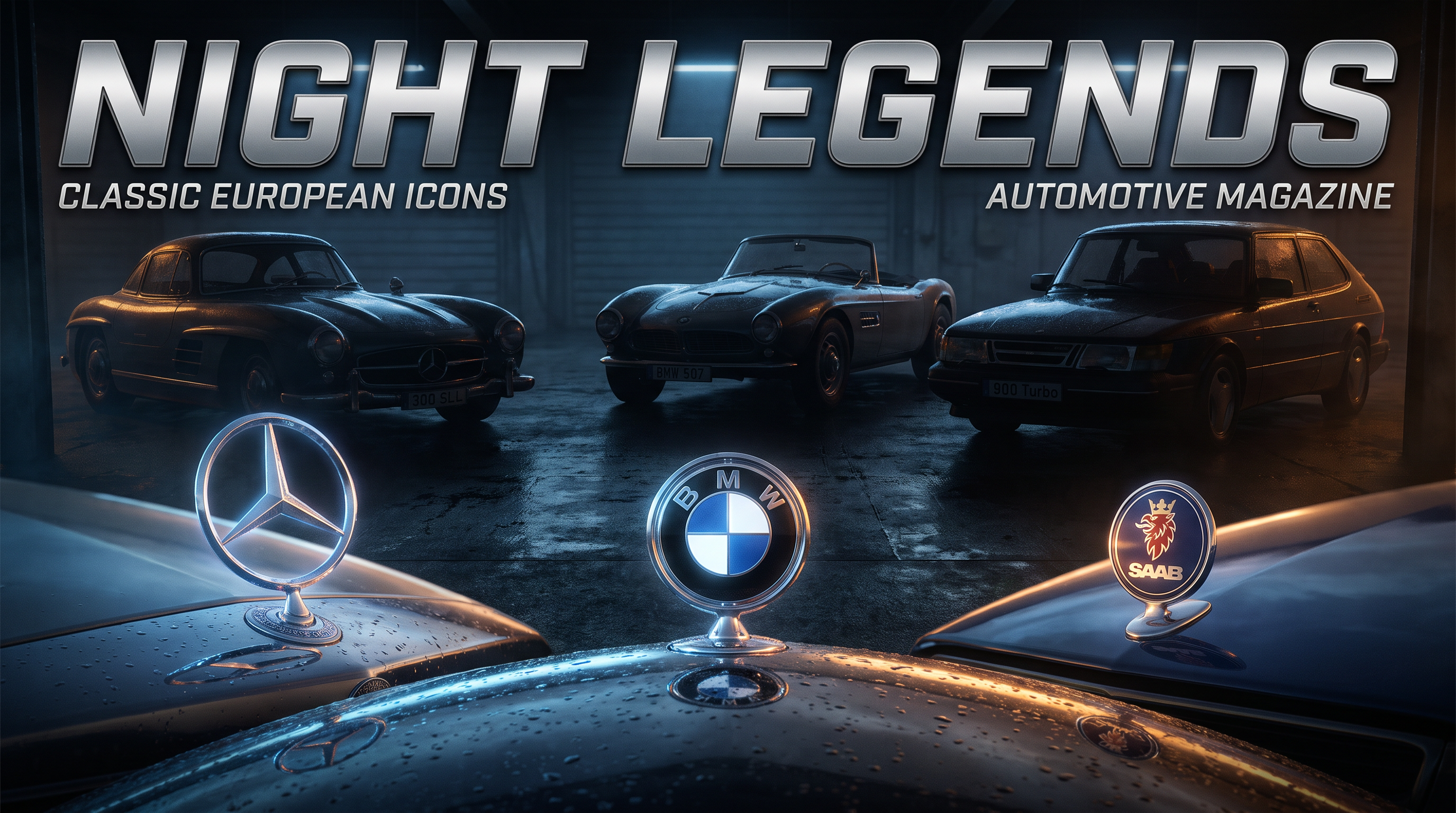
1. The BMW Roundel Is NOT a Spinning Propeller
For decades, everyone "knew" the BMW roundel represented a spinning aircraft propeller against a blue sky — a nod to BMW's origins building aircraft engines. Cool story. Totally false.
The blue-and-white quadrants actually come straight from the flag of Bavaria, BMW's home state. The propeller myth didn't even show up until a 1929 advertisement, decades after the badge was designed. Marketing works, folks.
Rocking a Bimmer and want the cabin to match the badge's pedigree? Drop in our BMW M-Sport Style Crystal Shift Knob for an instant interior upgrade.
Source: Hagerty
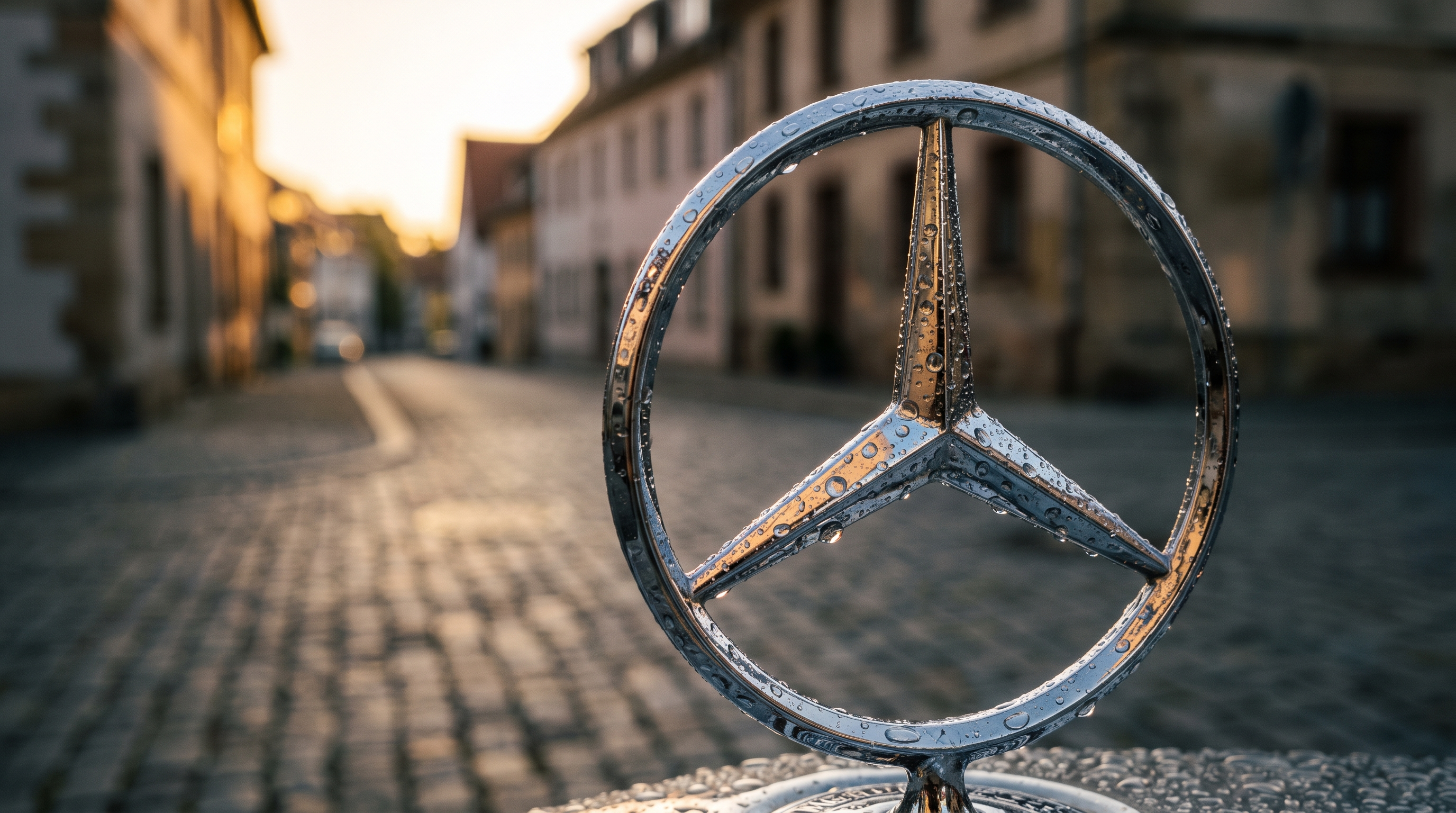
2. The Mercedes Star Is Basically a Mission Statement
That three-pointed star? It's not just a logo — it's a literal goal. Gottfried Daimler sketched it to represent his ambition for motorized transport to dominate on land, sea, and air. Mercedes-Benz officially adopted it in 1909, and it's barely changed since.
Want the full retro flex on your hood? Our Mercedes-Benz Chrome Hood Star Emblem is an easy bolt-on classic.
3. The VW Beetle Ran for 65 Years Without a Full Redesign
The original Volkswagen Type 1 — the Beetle — rolled out in 1938 and didn't stop production until 2003 in Puebla, Mexico. That's 65 years and over 21 million units of essentially the same core design. No other car on Earth has matched that kind of production longevity.
Keeping a VW in the family? Add some personality with our VW GTI Leather Shift Knob — red stitching included.
4. Saab Started Out Building Fighter Planes
Before Saab ever made a car, it was Svenska Aeroplan AB — a Swedish aircraft manufacturer founded in 1937. The company didn't build its first car, the Saab 92, until a full decade later in 1947, and it absolutely showed: the 92's teardrop shape was straight-up borrowed from aerodynamic fighter design principles.
Honor the aviation DNA with our Saab 9-3 Aero Style Billet Shift Knob — it's basically cockpit hardware for your gearbox.
5. Badge Myths Spread Faster Than the Cars Themselves
Here's the kicker: almost every brand has at least one badge legend that's more fiction than fact. From Ferrari's prancing horse (actually borrowed from a WWI fighter pilot's squadron insignia) to Lamborghini's bull (just founder Ferruccio's zodiac sign), the automotive world runs on good stories as much as good engineering.
Bottom line: the badge on your hood has more history packed into it than most people realize — and now you've got the receipts to prove it.
Which one of these facts surprised you the most — or got blown out of the water? Drop it in the comments.
Frequently Asked Questions
What does the BMW roundel really represent?
The BMW roundel actually comes from the flag of Bavaria, BMW's home state. The myth that it represents a spinning aircraft propeller only showed up in a 1929 advertisement, decades after the badge was designed.
Why does the Mercedes-Benz star have three points?
Gottfried Daimler sketched the three-pointed star to represent his ambition for motorized transport to dominate on land, sea, and air. Mercedes-Benz officially adopted it in 1909, and it's barely changed since.
How long was the Volkswagen Beetle in production?
The original Volkswagen Type 1 — the Beetle — rolled out in 1938 and didn't stop production until 2003 in Puebla, Mexico, spanning 65 years.
What did Saab build before cars?
Saab started out as Svenska Aeroplan AB — a Swedish aircraft manufacturer — before it built its first car, the Saab 92, in 1947.
Comments