Bet You Didn't Know: That Mercedes Hood Star Is Basically a Crash Test Genius

Updated: Sep 9
Bet You Didn't Know: That Mercedes Hood Star Is Basically a Crash Test Genius
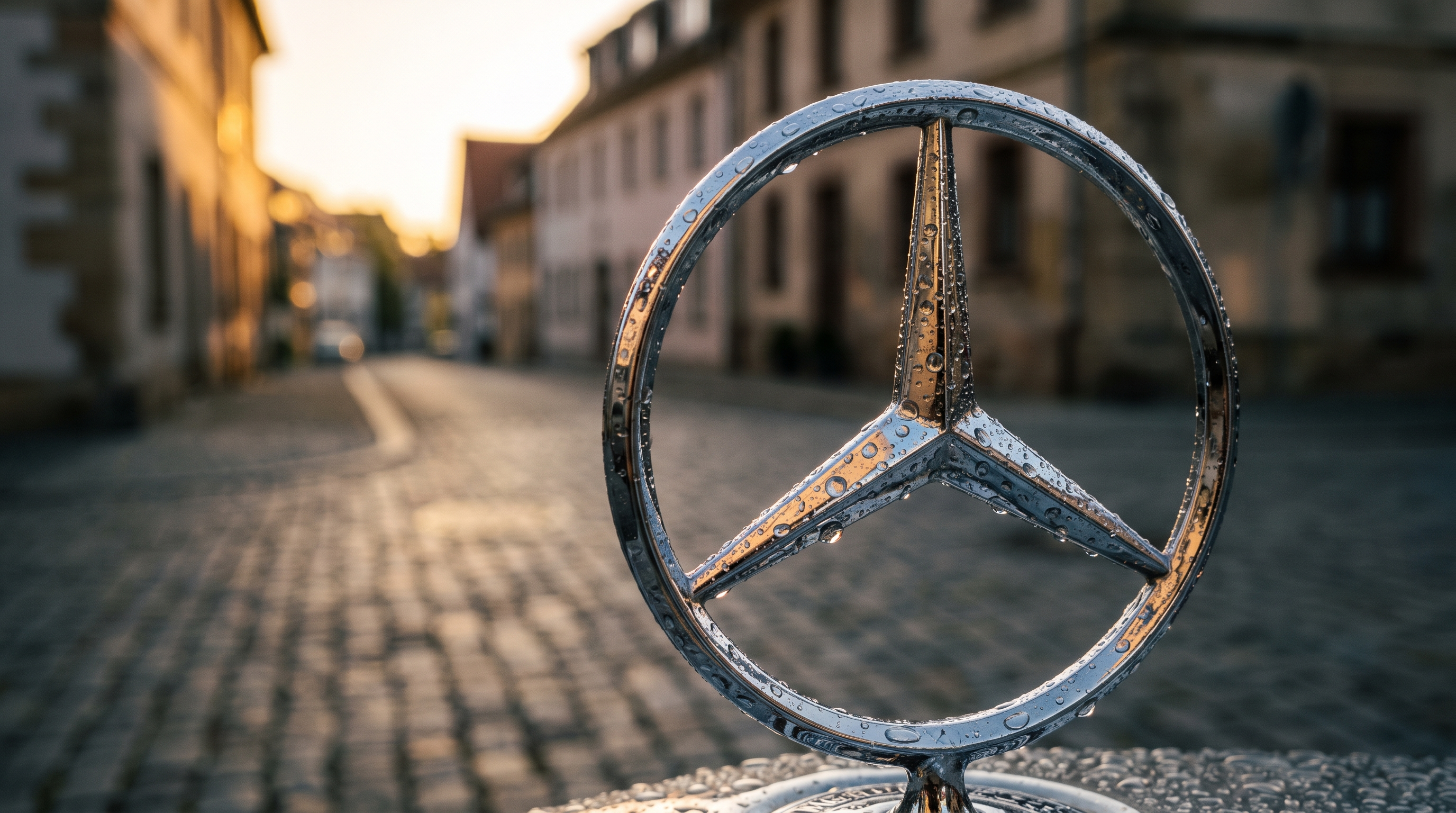
Yeah, that little three-pointed star on the hood looks like pure bling. But that thing has a secret identity — part history lesson, part safety engineering flex, and part the single most stolen car accessory in automotive history. Buckle up, this one's a ride.
The Star Isn't Just a Logo — It's a Whole Manifesto
Gottlieb Daimler scrawled that three-pointed star on a postcard to his wife back in 1909, and it wasn't random doodling. Each point stood for Daimler's vision of motorized dominance on land, sea, and air. Dude basically called the future of transportation from his kitchen table, and Mercedes has been running with it ever since.
Trademarked in 1909, mounted on cars starting 1910
Merged with the Benz laurel wreath badge in 1926 to form the emblem we know today
Still one of the most recognized logos on the planet, full stop
Wait — Your Hood Ornament Is Designed to Fail
Here's the twist nobody tells you at the dealership: modern hood-mounted stars are engineered to fold down or pop off on impact. Pedestrian safety regulations across Europe forced automakers to rethink anything rigid and pointy sticking up off the front of a car, so Mercedes built spring-loaded mounts that collapse the second they take a hit. It's not fragile — it's genius. A part designed to lose a fight on purpose so a person doesn't have to.
That's also exactly why so many older stars end up faded, bent, or straight-up missing by the time a classic Benz rolls into a shop for a refresh.
The Most Stolen Car Part in History (No, Really)
Ask anyone who owned a Mercedes in a big city in the '80s and '90s — hood stars used to vanish overnight. It became such a widespread trophy-hunting problem that some owners started removing their own stars before parking downtown, just to beat the thieves to it. A three-inch piece of chrome became a full-blown subculture. That's the kind of cultural weight most badges never come close to earning.
Quick-Fire Star Facts
Some are chrome, some are matte black, some light up on newer EQ models
The angle of the points is precisely 120 degrees apart — geometry nerds, rejoice
A worn or crooked star is one of the fastest ways to make a clean Benz look neglected
If yours is dull, pitted, or MIA entirely, swapping in a fresh mirror-polished Mercedes-Benz Chrome Hood Star Emblem is a five-minute fix that instantly sharpens the whole front end.
Source: Hagerty has covered the history and cultural obsession around European badge design extensively.
The bottom line: that little star has survived a hundred years, a theft epidemic, and a total safety-engineering redesign — and it's still the first thing everyone looks at.
Does your ride's badge tell a story, or is it due for a refresh? Drop it in the comments.
Frequently Asked Questions
What does the Mercedes three-pointed star mean?
Gottlieb Daimler drew it on a postcard in 1909; the three points stood for his vision of motorized transport dominating land, sea and air. It merged with the Benz laurel wreath in 1926 to form today's emblem.
Why do modern Mercedes hood stars fold down?
European pedestrian-safety regulations forced automakers to remove rigid, pointed objects from the front of cars, so Mercedes mounts the hood star on a spring-loaded base that collapses or pops off on impact.
When was the Mercedes star first used on cars?
It was trademarked in 1909 and started appearing on cars in 1910.


Comments