Bet You Didn't Know: 7 Wild Facts About the Autobahn That'll Blow Your Mind

Updated: Sep 9
Buckle Up — This Road Has No Speed Limit
Every gearhead has heard the legend, but the German Autobahn is even weirder and wilder than the myth. We dug into 13,000+ km of pure asphalt freedom to bring you the facts that'll make your next road trip group chat go off.
1. "No Speed Limit" Is Only Half True
Here's the twist most people miss: only about 70% of the Autobahn network has zero mandated speed limit. The rest is posted, patrolled, and enforced just like any other highway. On the unrestricted stretches, Germany just posts a Richtgeschwindigkeit — a recommended cruising speed of 130 km/h (81 mph) — but you're legally allowed to go faster if conditions are clear.
2. It's Older Than You Think
The first dedicated automobile-only road, the AVUS test track in Berlin, opened all the way back in 1913. The modern high-speed network as we know it started expanding in the late 1920s, decades before the U.S. Interstate System even existed.
3. That Speedometer Isn't Lying
Modern Autobahn regulars routinely see 200+ km/h (124+ mph) on the unrestricted sections, and tuned German metal will occasionally touch 300 km/h on a clean run. If your own gauges have been looking tired lately, it might be time to freshen up the details in your own garage — a set of Whiteline Rear Adjustable Toe Arms (KTA147B) will keep high-speed handling honest no matter what side of the pond you're on.
4. There's a Law Just for Traffic Jams
When traffic locks up, German drivers are legally required to form a Rettungsgasse ("rescue lane") — every vehicle shifts toward its side of the road, opening a clear corridor down the middle for ambulances and fire trucks. It's been mandatory since the 1980s, and drivers who block it face serious fines. Turns out unlimited speed comes with serious discipline.
5. Safer Than You'd Guess
Despite the no-limit sections, the Autobahn's fatality rate per kilometer traveled is lower than many speed-limited U.S. interstates. Strict driver training, mandatory lane discipline, no-passing-on-the-right rules, and rigorous vehicle inspections (hallo, TÜV) all do a lot of heavy lifting.
6. It's a National Point of Pride
Ask any Mercedes, BMW, Audi, or Porsche engineer and they'll tell you: the Autobahn is basically an unofficial proving ground baked into German car culture. It's part of why European engineering leans so hard into high-speed stability, brakes, and aerodynamics from the factory floor.
7. You Can Bring Some of That Autobahn Spirit Home
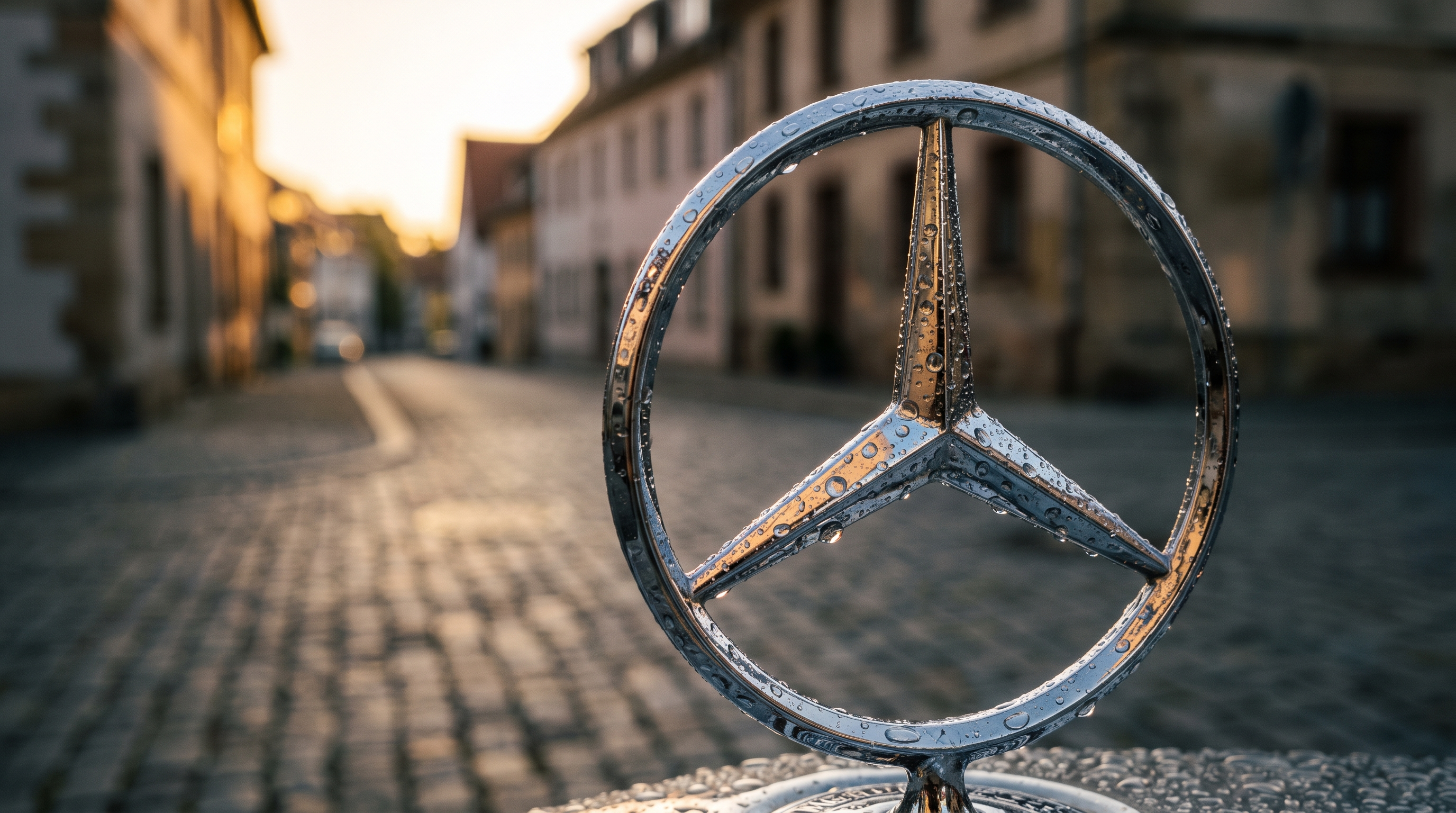
You don't need a derestricted highway to appreciate that same obsessive European engineering. A small detail like a genuine Mercedes-Benz Chrome Hood Star Emblem is a nod to the same badge that's been staring down 200 km/h stretches of German tarmac for decades.
Source: Hagerty
Bottom line: the Autobahn isn't a lawless free-for-all — it's disciplined speed, backed by serious engineering. Would you ever actually open it up on an unrestricted stretch, or are you staying in the slow lane? Drop your answer in the comments.
Frequently Asked Questions
Does the German Autobahn really have no speed limit?
Only partly. About 70 percent of the network has no mandated speed limit; the rest is posted and enforced like any highway. On unrestricted stretches Germany posts a recommended cruising speed of 130 km/h (81 mph), but you may legally go faster when conditions are clear.
How old is the Autobahn?
The first dedicated automobile-only road, the AVUS in Berlin, opened in 1913, and the modern high-speed network began expanding in the late 1920s, decades before the US Interstate System.
How fast do people actually drive on the Autobahn?
Regulars routinely see over 200 km/h (124 mph) on unrestricted sections, and tuned German cars occasionally touch 300 km/h on a clear run.
What is the Rettungsgasse rule?
When traffic stops on the Autobahn, German law requires drivers to form an emergency corridor down the middle so ambulances and fire trucks can pass.


Comments