Your Stock Wheel Studs Are the Weakest Link in Your Whole Fitment Game

Your Stock Wheel Studs Are the Weakest Link in Your Whole Fitment Game
You dropped real money on wheels, spacers, and that perfect stance — and then left the one part holding it all onto the car completely stock. Yeah, we're talking about your wheel studs, and it's time to fix that before a track day turns into a tow-truck day.
Why Stock Studs Run Out of Thread, Fast
Factory wheel studs are engineered for exactly one job: holding the factory wheel, at the factory offset, with zero spacers. The second you add a wheel spacer, a deeper aftermarket wheel, or just chase a wider stance, you're asking those stock studs to reach further than they were ever designed to.
Here's the problem in plain terms:
Less thread engagement = fewer threads actually gripping the lug nut
Lug nuts barely catching on the last few threads = a ticking time bomb
Zero margin for error if you ever torque wrong or hit a pothole hard
That's not a "might be fine" situation. That's a wheel-coming-off-at-70-mph situation, and nobody wants to be the cautionary tweet.
Enter: Extended Wheel Studs
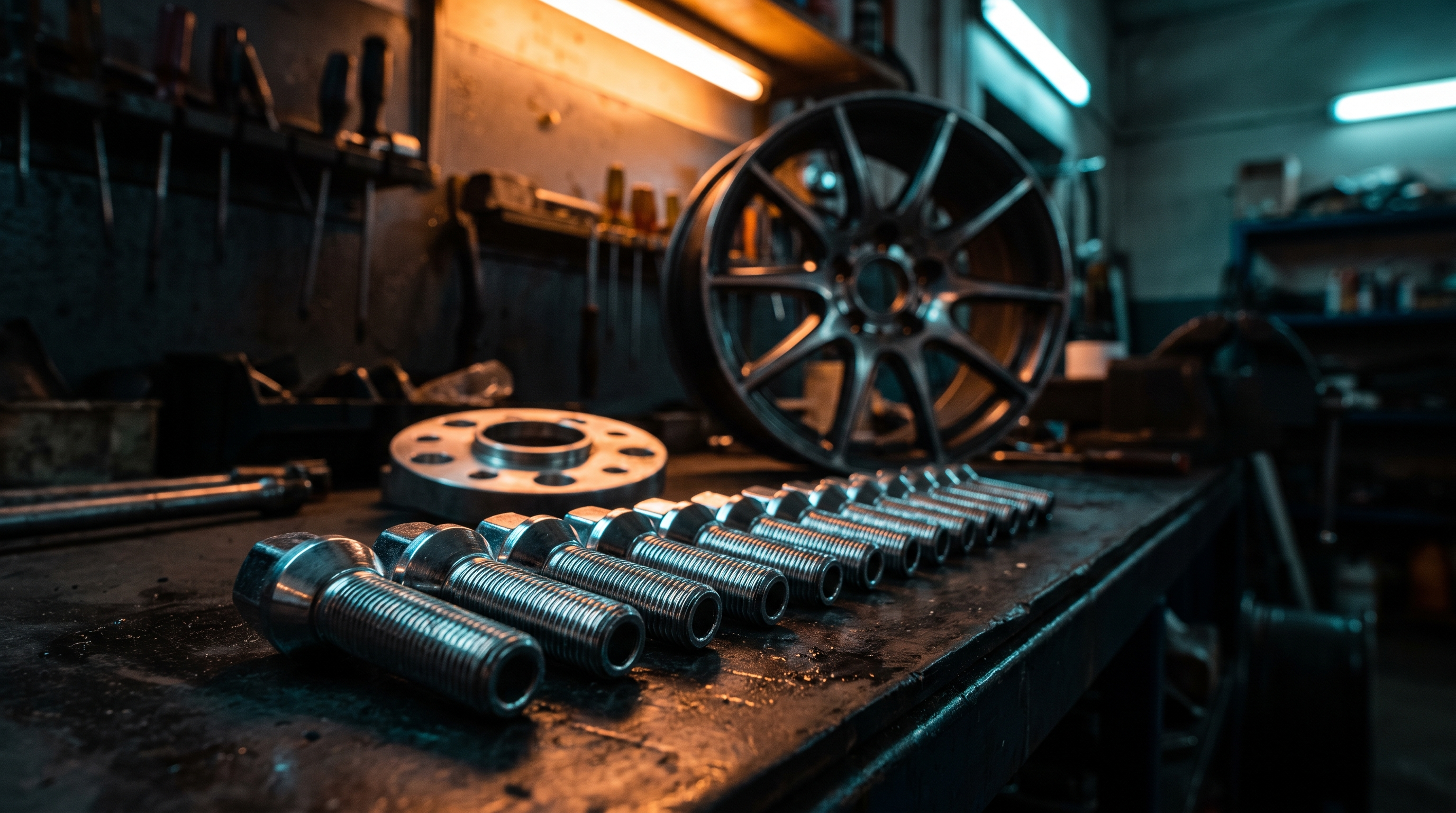
Extended studs do exactly what the name says — they're longer than stock, so even with spacers or deep-dish wheels in the mix, you get full thread engagement every single time you torque a lug nut down.
What a proper extended stud setup gets you:
Full thread contact no matter how much spacer or wheel offset you're running
Press-in installation on most applications — no welding, no drama
Corrosion-resistant coating so they don't seize or rust out over a wet winter
A setup that's actually rated for the way people drive, not just the way the factory assumed you would
We stock a 20-piece Megan Racing Extended Wheel Stud kit — 12x1.25, 52mm — enough to do a full set of four wheels with a few spares in reserve. It's the exact move guys make right before they finally run that spacer kit they've been eyeing.
Installing Them Isn't a Nightmare
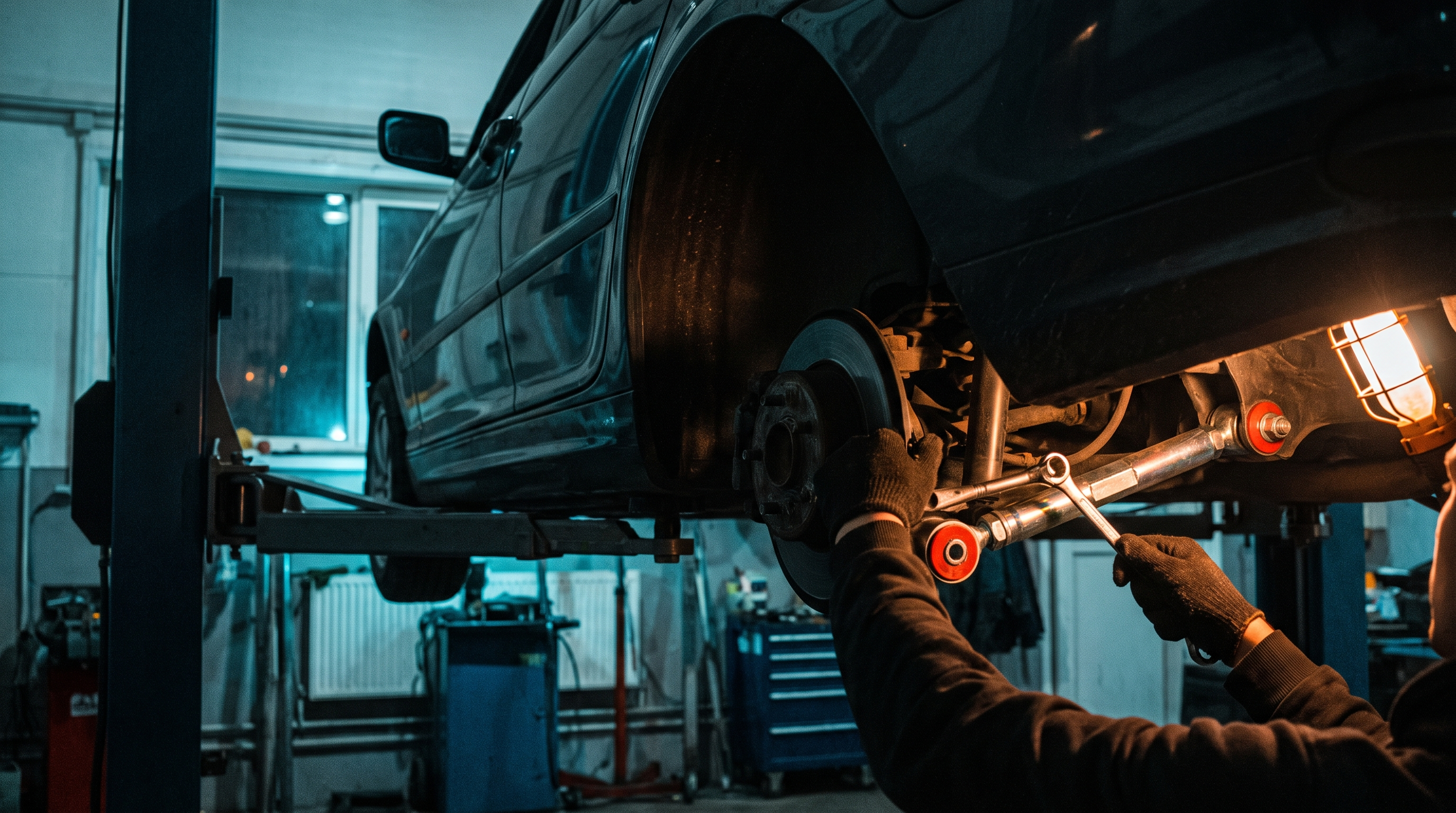
This isn't an engine-out kind of job. A basic press-in stud swap is a solid afternoon project:
Pull the wheel and hub assembly (or just the hub if your car allows stud replacement in place)
Drive out the old studs with a hydraulic press or the old "stack of washers and an impact gun" trick
Press in the new extended studs evenly, checking they seat flush against the hub flange
Torque your lug nuts to spec — don't eyeball it, use a torque wrench every time
Pro tip: always torque in a star pattern, not round-and-round, or you'll warp the rotor and hate your life for the next 500 miles of pedal pulsation.
The Payoff
Once they're in, you can run spacers, deep-dish wheels, or an aggressive fitment setup with actual peace of mind instead of crossing your fingers every time you hit the highway. It's one of those upgrades that costs less than a tank of race fuel but matters more than almost anything else bolted to the car.
The automotive world has been buzzing about aggressive fitment culture going mainstream for years now — and the shops that do it right always start with the studs. Source: Hagerty
Bottom line: your wheels are only as safe as the studs holding them on — don't let the cheapest part on the car be the one thing that lets you down.
Running spacers or deep-dish wheels right now — have you upgraded your studs yet, or are you still riding on factory hardware?
Frequently Asked Questions
What are the problems with using stock wheel studs?
Factory wheel studs are engineered for exactly one job: holding the factory wheel, at the factory offset, with zero spacers. The second you add a wheel spacer, a deeper aftermarket wheel, or just chase a wider stance, you're asking those stock studs to reach further than they were ever designed to. Less thread engagement = fewer threads actually gripping the lug nut.
Why are extended wheel studs a better option?
Extended studs are longer than stock, so even with spacers or deep-dish wheels in the mix, you get full thread engagement every single time you torque a lug nut down. A proper extended stud setup gets you full thread contact no matter how much spacer or wheel offset you're running.
What is the process for installing extended wheel studs?
A basic press-in stud swap is a solid afternoon project. Pull the wheel and hub assembly (or just the hub if your car allows stud replacement in place), drive out the old studs with a hydraulic press or the old 'stack of washers and an impact gun' trick, press in the new extended studs evenly, checking they seat flush against the hub flange, and torque your lug nuts to spec using a torque wrench.
Comments