Extended Wheel Studs: The $40 Fix That Keeps Your Wheels (And You) In One Piece

Your wheel studs have exactly one job: keeping four contact patches of rubber attached to a car hurtling down the highway at 70 mph. So why are so many of us still running the flimsy stock ones after dropping in spacers or deep-dish wheels? Let's talk about the $40 upgrade nobody brags about on Instagram but every serious wheel guy swears by.
Why Stock Studs Run Out Of Thread The Second You Add Spacers
Factory wheel studs are engineered for exactly one scenario: the factory wheel, at the factory offset, with the factory amount of thread engagement. The moment you bolt on a wheel spacer or swap to wheels with a deeper offset, you're asking those same studs to reach further through more material — and sometimes they just don't make it.
Less thread engagement means less clamping force
Less clamping force means more chance of a wheel working itself loose
A loose wheel at speed is not a "minor issue" — it's a tow truck and a very bad day
That's the entire case for extended studs in one paragraph. They're not a flex — they're the difference between a spacer setup that's actually safe and one that's a ticking clock.
Budget Vs Premium: What Actually Changes
The Cheap Stuff
Generic no-name studs from the bargain bin of the internet are often cut from softer, lower-grade steel with inconsistent thread tolerances. They might hold up fine on a daily commuter — or they might gall, cross-thread, or shear off the first time you really lean on a corner. For something holding your wheel on, "might" is not a word you want in the sentence.
The Good Stuff
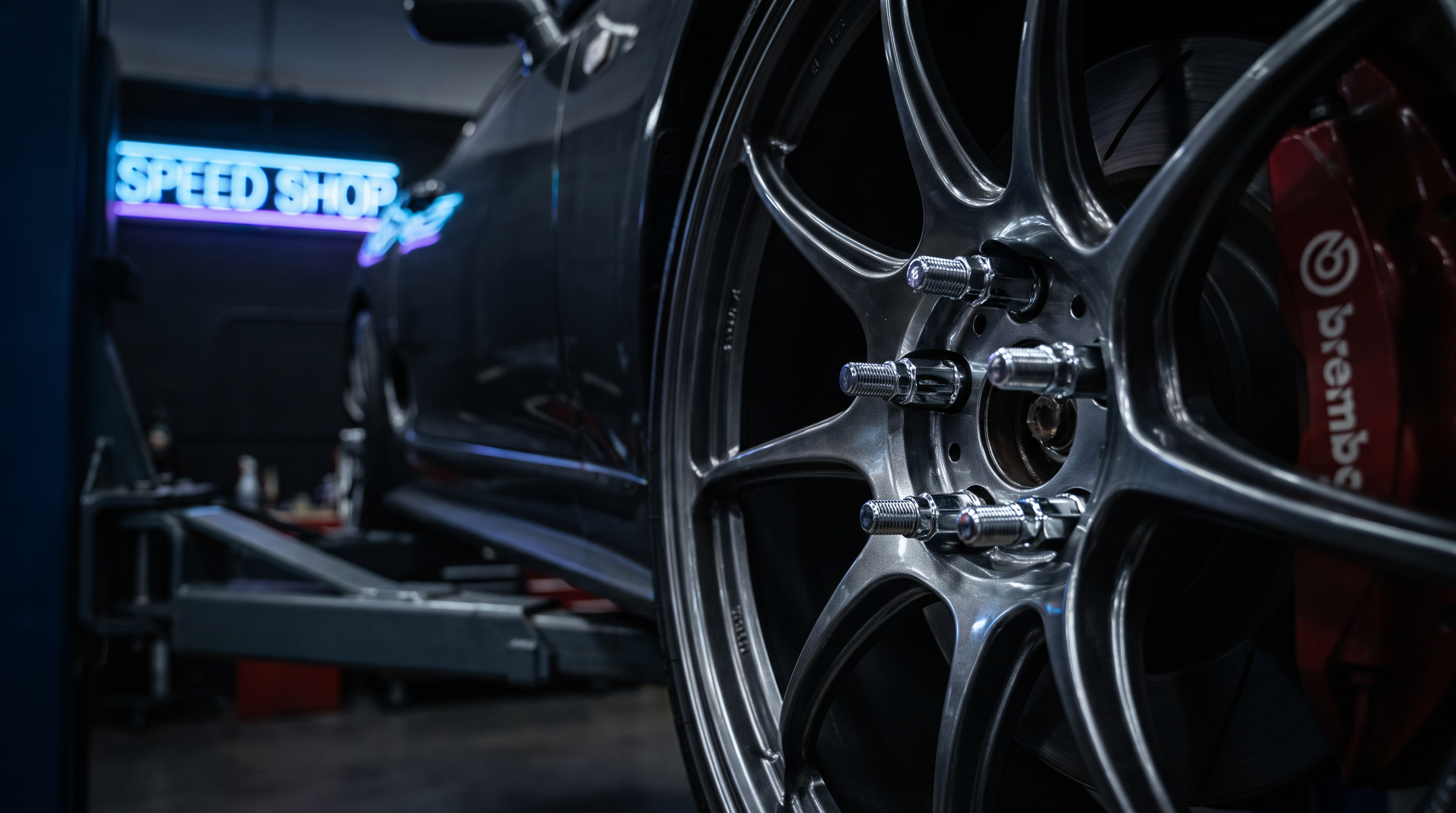
This is where Megan Racing's 20-piece Extended Wheel Studs earn their spot in the cart. They're forged from heat-treated chromoly steel, precision-threaded for a clean bite every time, and sized at 12x1.25, 52mm of extra reach — enough to clear most popular spacer and wheel combos without running out of thread. Twenty studs means you've got a full set plus spares, which matters the first time you drop one down a storm drain (it happens to everybody).
Forged chromoly construction — not cheap stamped steel
52mm extended length clears aggressive offsets and spacers
Full 20-piece set covers the whole car with room for mistakes
👉 Check out the Megan Racing 20-pc Extended Wheel Studs over in the Humbl shop.
Installing Them Without Turning Your Garage Into A Horror Movie
Swapping studs isn't hard, but it's not a "wing it" job either. Here's the no-drama version:
Pull the wheel, caliper, and rotor so you have clean access to the hub face
Press out the old stud with a stud removal tool or a socket-and-washer press trick — never hammer it straight out, you'll warp the hub
Press in the new stud the same way, in reverse, making sure it seats flush and square
Torque wheels to spec once everything's back together — don't just gorilla-grip the impact gun and call it a day
Re-torque after 50 miles — new hardware settles, and a quick check beats a scary surprise
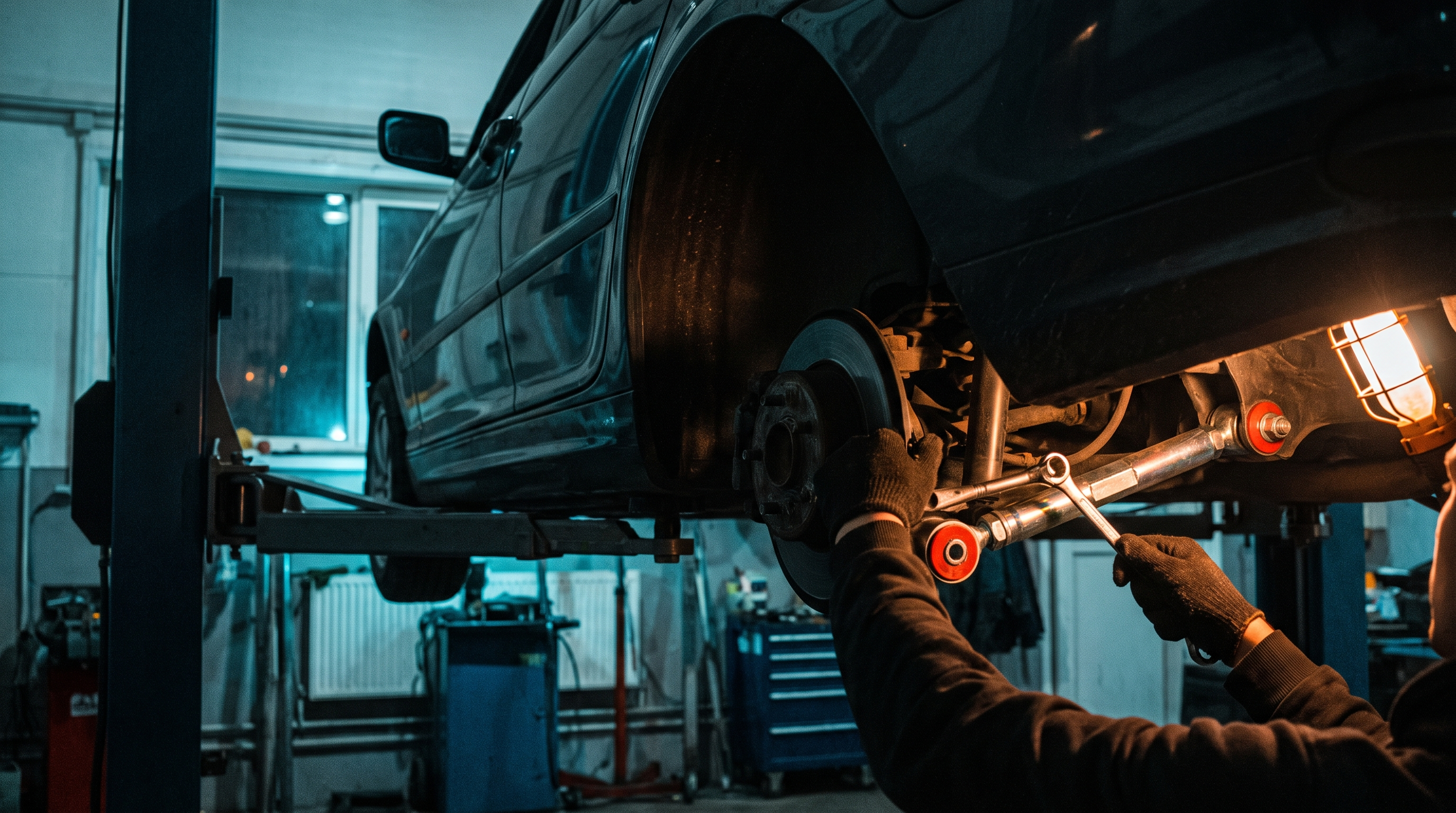
While you're in there with everything apart, it's also the perfect excuse to check your alignment hardware — a worn rear toe arm causes exactly the kind of uneven tire wear that makes people blame their new wheels when the suspension is the real culprit.
The Bottom Line
Aggressive fitment is fun. Aggressive fitment on studs that weren't built for it is a liability. Forty bucks and an afternoon buys you a wheel setup you don't have to think twice about.
The aftermarket wheel-fitment trend keeps growing right alongside the spacer and offset conversations the car community has every single day — see what Hagerty and Donut Media have been covering on the modified-wheel scene.
Bottom line: if your wheels are hanging on by factory thread count and a spacer, you're one pothole away from a bad time.
What's your spacer setup running right now — stock studs or extended? Drop it in the comments.
Frequently Asked Questions
What happens if I don't replace my wheel studs with extended ones when adding spacers or deeper offset wheels?
If you don't replace your wheel studs with extended ones when adding spacers or swapping to wheels with a deeper offset, the original studs may run out of thread, resulting in less clamping force and a higher chance of a wheel working itself loose. This can lead to a very dangerous situation at speed.
What is the main difference between cheap and premium wheel studs?
The main difference between cheap and premium wheel studs is the quality of the materials used and the consistency of the thread tolerances. Cheap studs are often cut from softer, lower-grade steel and may be more prone to issues like galling, cross-threading, or shearing off. Premium studs like Megan Racing's are forged from heat-treated chromoly steel for better strength and reliability.
How do I install extended wheel studs?
To install extended wheel studs, you'll need to pull the wheel, caliper, and rotor to access the hub face. Press out the old stud using a stud removal tool or a socket-and-washer press, and press in the new stud the same way in reverse, making sure it seats flush and square. Torque wheels to spec once everything is back together, and re-torque after 50 miles to ensure proper clamping force.
Comments