Stud Swap Showdown: Why Your Factory Lug Studs Might Be the Weakest Link in Your Whole Build

Stud Swap Showdown: Why Your Factory Lug Studs Might Be the Weakest Link in Your Whole Build
You can drop $3K on coilovers, $2K on wheels, and a stupid amount on tires — and still have your whole corner held on by a stock stud that was never designed for the abuse you're about to give it. Let's talk about the $40 upgrade nobody brags about but every track-day junkie should've already made.
The Part Everyone Ignores Until It Fails
Wheel studs are the unsung heroes of your whole suspension corner. They're the only thing standing between "I'm driving my car" and "I'm calling a flatbed." And yet most people never think about them until:
They're swapping to aftermarket wheels with thicker hub-centric rings that eat up thread engagement
They've gone to a spacer and suddenly don't have enough stud sticking out to torque safely
A track day ends with a stripped or snapped stud because factory studs are built for cost, not margin
Factory studs are engineered to a spec sheet, not a race pace. They're fine for a daily commuter doing daily commuter things. The second you add camber, spacers, bigger wheels, or repeated heat cycles from aggressive driving, that factory margin gets eaten alive.
Stock vs. Extended: What's Actually Different
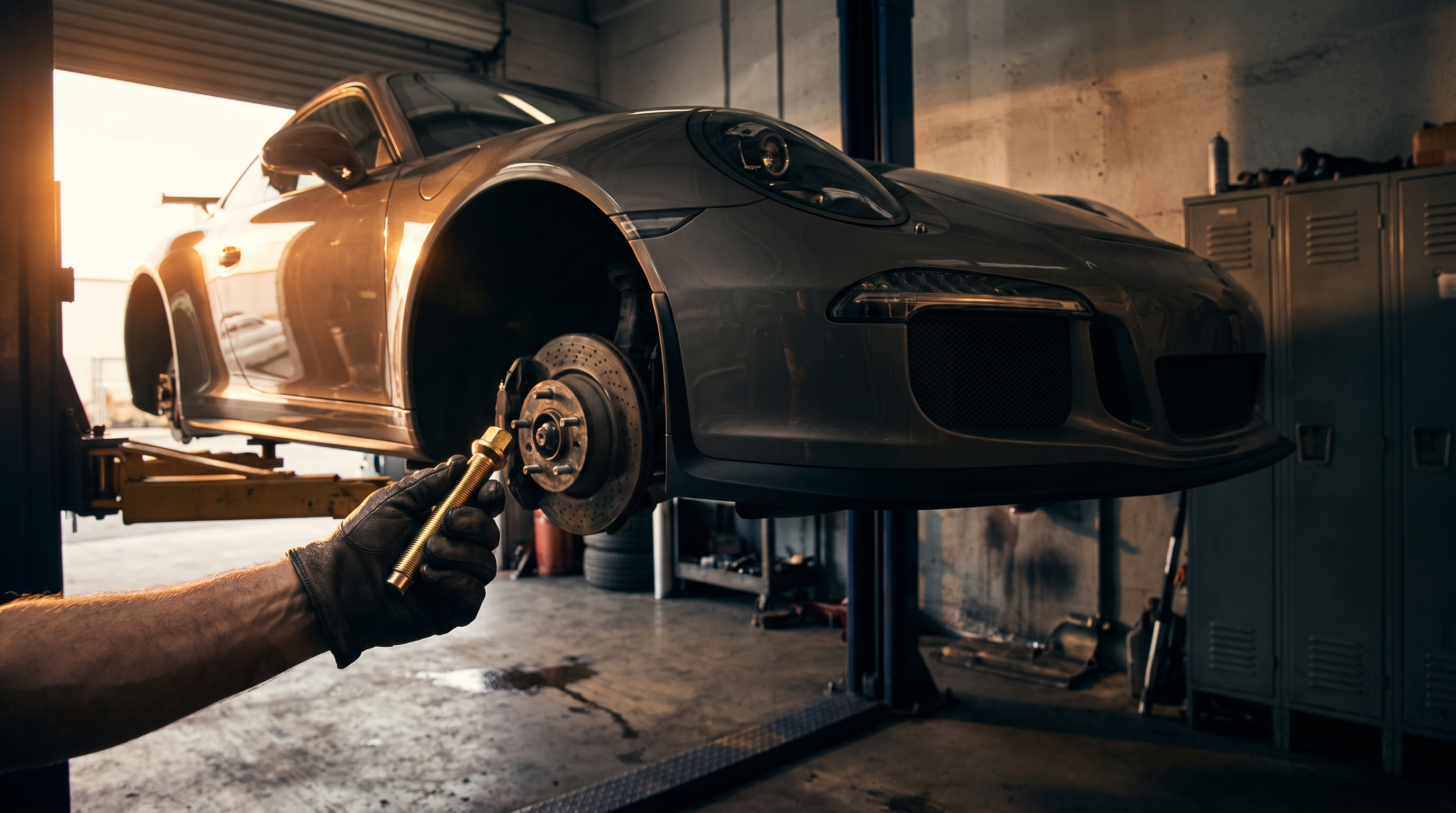
Here's the real breakdown when you put a worn factory stud next to a quality extended stud side by side:
Length
Extended studs give you noticeably more thread sticking through the lug nut — critical once you add wheel spacers or thicker aftermarket wheels. More engaged thread means more clamping force holding your wheel on at 120+ mph on track.
Material & Heat Treatment
Premium stud kits are typically forged from high-tensile chromoly steel, then heat-treated for strength that factory mild-steel studs just don't match. That matters when your rotors are glowing after three hot laps and everything in that hub is expanding and contracting.
Thread Engagement
More length isn't just for looks — it means more thread contact area, which directly translates to more holding torque before a stud strips. A stripped stud mid-corner is not a story with a good ending.
Installing Them the Right Way
A few non-negotiables when you do this swap:
Press, don't hammer. Use a stud installer tool or stack washers and a lug nut to draw the new stud in evenly.
Torque to spec — every single time, with a calibrated torque wrench, not "feel."
Re-torque after 50 miles. New studs seat in. Checking torque after a short drive catches anything that settled.
Never reuse old lug nuts on a stud with a different thread pitch or seat angle without double-checking fitment.
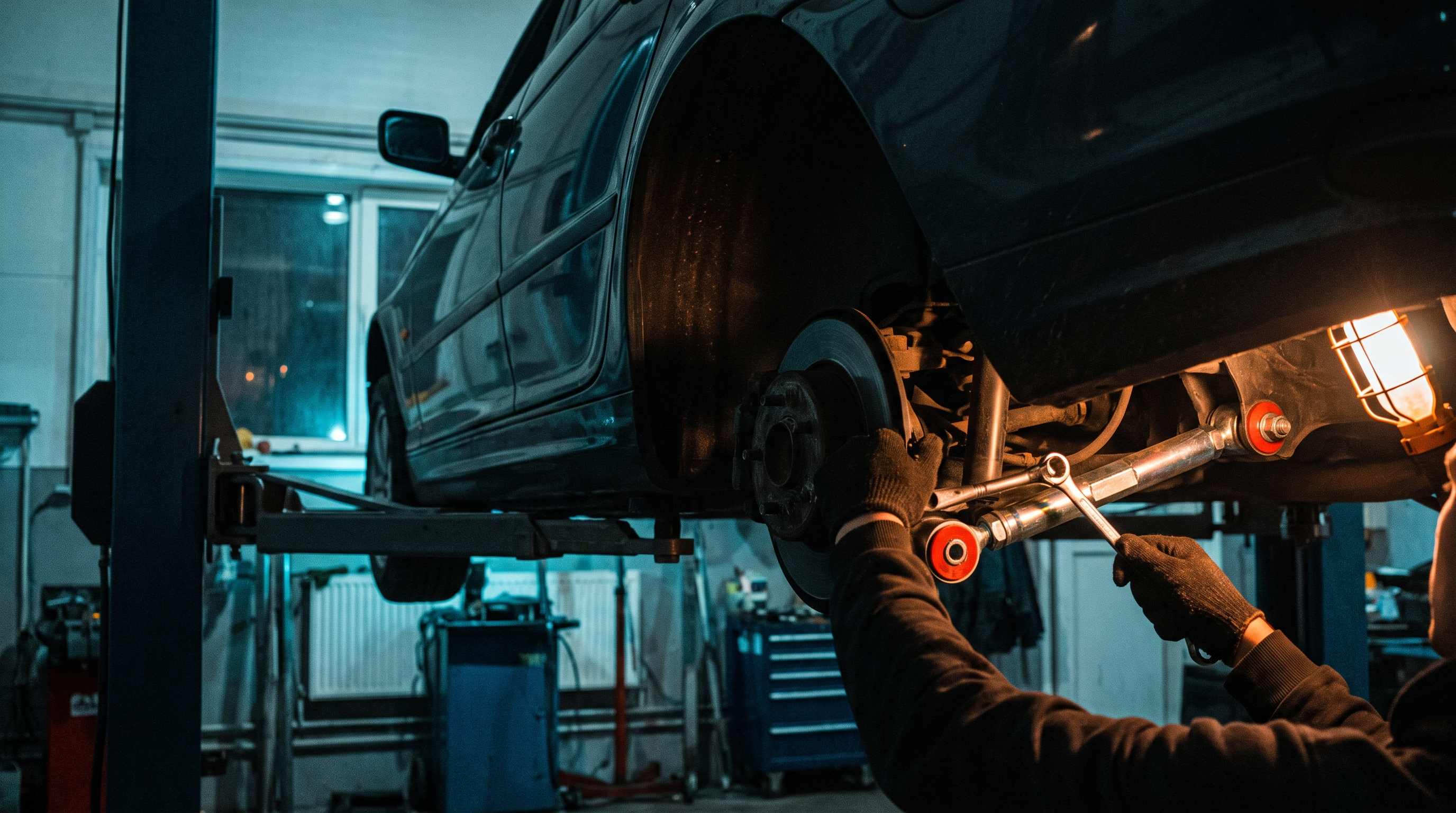
If you're already in there pulling a wheel for this job, it's the perfect excuse to check your whole front end while the hub's exposed — brakes, bearings, the works.
Our Pick for the Swap
We're running the Megan Racing 20-pc Extended Wheel Studs in the shop right now — a full 20-piece set so you can do all four corners plus spares, no running back to the parts counter mid-install.
Pair it with a proper torque-correct install using our Electrical Disconnect Pliers kit for any sensor wiring you need to pop loose along the way, and you've got the hub side of your build sorted.
Bottom line: the part holding your $2,000 wheel onto your car shouldn't be the cheapest thing in the corner — upgrade your studs before you upgrade anything else.
What's the sketchiest "I didn't think about that until it almost failed" moment you've had on a build? Drop it in the comments.
Frequently Asked Questions
What are wheel studs and why are they important?
Wheel studs are the unsung heroes of your whole suspension corner. They're the only thing standing between 'I'm driving my car' and 'I'm calling a flatbed.' Most people never think about them until they're swapping to aftermarket wheels, adding spacers, or doing track days.
What problems can factory lug studs cause?
Factory lug studs are built for cost, not margin. They're fine for a daily commuter doing daily commuter things. The second you add camber, spacers, bigger wheels, or repeated heat cycles from aggressive driving, that factory margin gets eaten alive. This can lead to stripped or snapped studs on the track.
What are the differences between stock and extended wheel studs?
Extended wheel studs give you more thread sticking through the lug nut, which is critical when adding wheel spacers or thicker aftermarket wheels. They are also typically forged from high-tensile chromoly steel and heat-treated for strength, while factory studs are made from mild steel. More thread engagement means more clamping force holding your wheel on at high speeds.
What are some tips for installing extended wheel studs?
When installing, always use a stud installer tool or stack washers and a lug nut to draw the new stud in evenly. Torque to spec, re-torque after 50 miles, and never reuse old lug nuts on a stud with a different thread pitch or seat angle without double-checking fitment. If you're already in there pulling a wheel, check your whole front end while the hub's exposed.
Comments