Budget vs. Premium Wheel Studs: We Tore Both Apart So You Don't Have To

Updated: Oct 7
Budget vs. Premium Wheel Studs: We Tore Both Apart So You Don't Have To
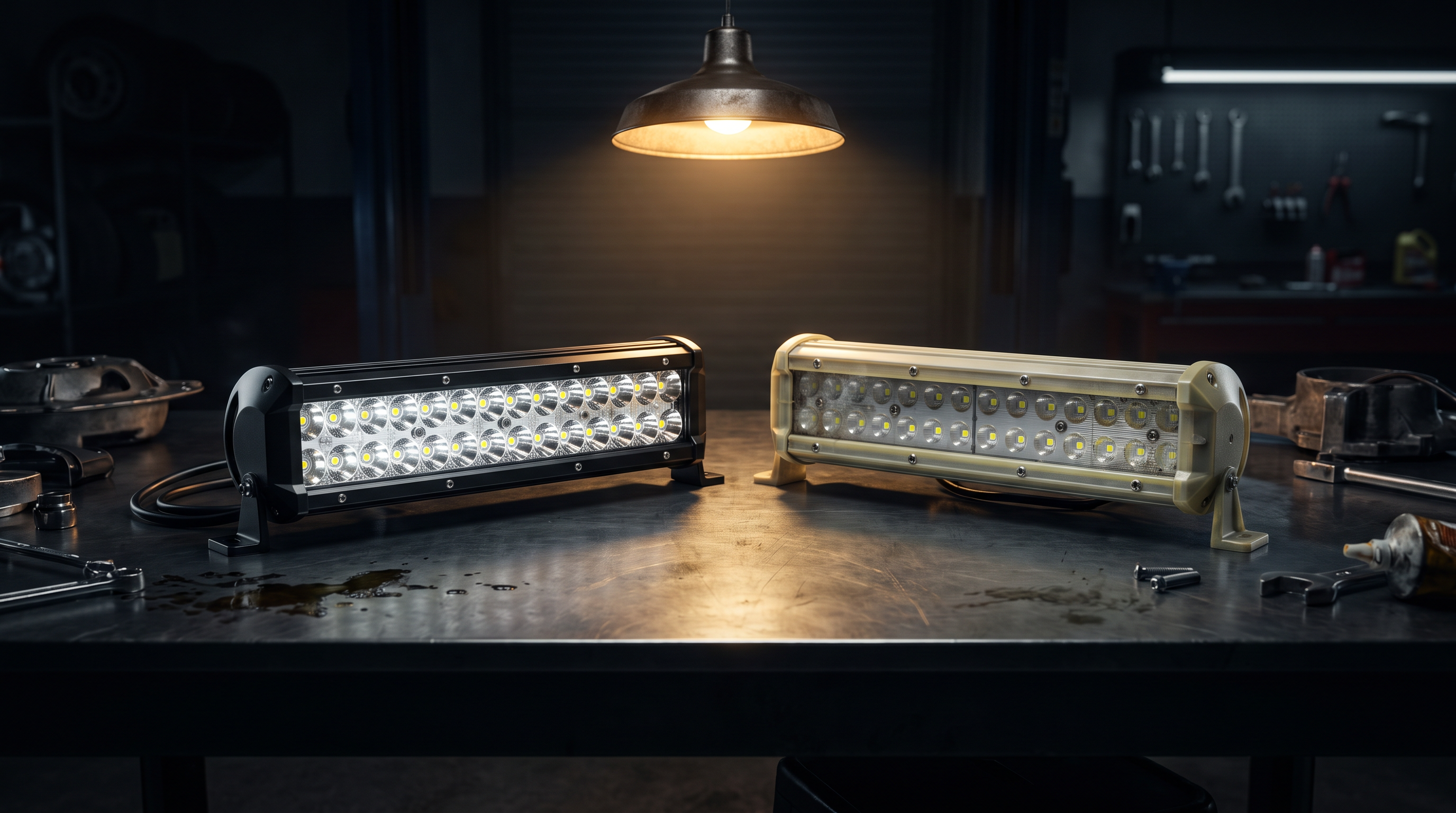
Your wheel studs are the ONLY thing standing between "sick stance" and a wheel rolling down the highway without you in the car. Dramatic? Maybe. Wrong? Not even a little. We grabbed a bargain-bin set and a premium set and put them side-by-side under the lights.
Why Wheel Studs Even Matter
Most people never think about wheel studs until one snaps - and that's exactly the problem. These little threaded rods are what your lug nuts clamp down on to keep a 20+ pound wheel spinning at 80+ mph attached to your car. No pressure.
Extended studs are the go-to upgrade when you're running:
Aftermarket wheels with thicker hub-centric rings
Wheel spacers for that aggressive fitment look
Track setups where you want faster, easier wheel changes
The Teardown: Budget vs. Premium
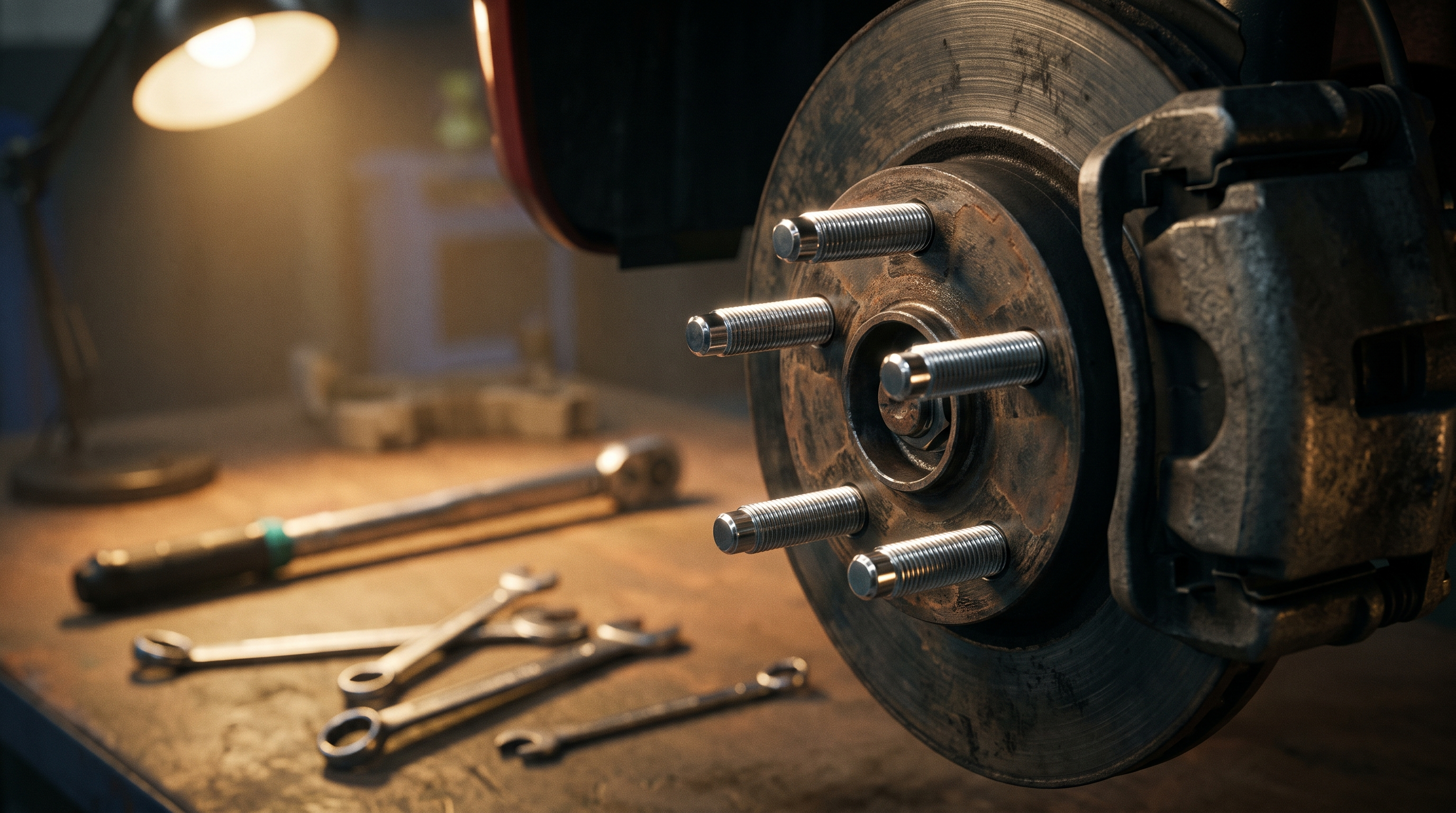
We laid a generic hardware-store stud next to a proper extended stud under the macro lens, and the difference is not subtle.
What Separates the Good Stuff From the Garbage
Material grade - Premium studs use high-tensile chromoly or forged steel, not mystery-metal rod stock.
Thread quality - Cheap studs strip under torque. Clean, deep-rolled threads mean consistent clamping force every single time.
Coating - A proper zinc or yellow-zinc finish fights corrosion. Bare steel starts surface-rusting in your driveway within weeks.
Length consistency - Budget sets are notorious for +/- 2-3mm variance stud to stud. That's a huge deal when you're trying to get even nut engagement across all five.
Torque Specs Are NOT a Suggestion
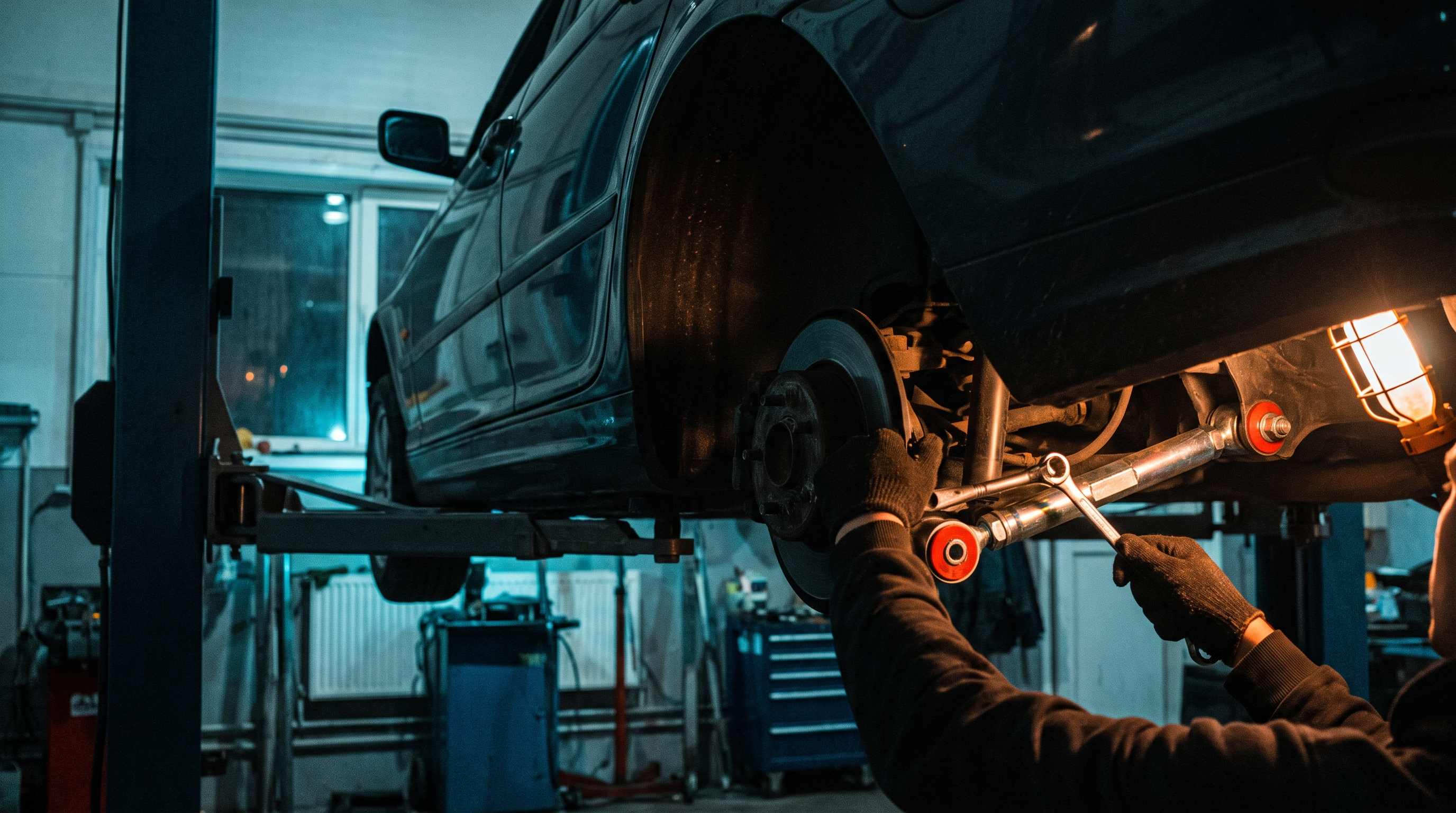
Whatever stud you run, torque it to spec with a real torque wrench and a star pattern. Overtighten and you stretch the stud past its yield point; undertighten and it backs off on its own.
If you're upgrading studs anyway, do it right with a set built for the job - like the Megan Racing 20-pc Extended Wheel Studs. They're built in M12x1.25 52mm spec, ship as a full 20-piece set (enough for all four corners plus spares), and they're the exact upgrade that fixes the "my spacers won't clear the stock studs" problem for good.
The Verdict
Premium wheel studs cost maybe $30-40 more than the bargain set - and that's the cheapest insurance you'll ever buy for your wheels. The aggressive-fitment and spacer trend has only gotten bigger across the enthusiast scene in recent years, and running the right hardware underneath that look is non-negotiable.
Source: general fitment and modification trends as covered by Hagerty.
Bottom line: don't let a $4 stud be the reason your weekend ends with a tow truck. What's on your wheels right now - stock studs or an upgrade? Drop it in the comments.
Frequently Asked Questions
What are wheel studs and why are they important?
Wheel studs are the threaded rods that your lug nuts clamp down on to keep a wheel attached to your car. They are crucial for safety as they prevent wheels from detaching at high speeds.
What is the difference between budget and premium wheel studs?
The main differences between budget and premium wheel studs are the material grade, thread quality, coating, and length consistency. Premium studs use high-tensile chromoly or forged steel, have clean, deep-rolled threads, a zinc or yellow-zinc finish, and consistent length.
Why would someone upgrade their wheel studs?
People upgrade their wheel studs when running aftermarket wheels, wheel spacers, or in track setups where faster, easier wheel changes are desired. Upgrading ensures proper fitment and prevents issues like stripped threads or improper clamping force.
Comments