Extended Wheel Studs: The $80 Part That Keeps Your Wheels Actually Attached to Your Car

Updated: Sep 9
Extended Wheel Studs: The $80 Part That Keeps Your Wheels Actually Attached to Your Car
Wider wheels. Aggressive spacers. That perfectly flush fitment you've been chasing on Instagram. Here's the problem nobody tells you about until it's too late — your factory studs might not be long enough to hold it all together, and that's a bad place to find out at 70 mph.
Why Stock Studs Run Out of Thread
Factory wheel studs are engineered for exactly one job: clamping the factory wheel, at the factory offset, with the factory amount of thread engagement. The second you add a spacer, a wider wheel, or an aftermarket offset, you're asking those same studs to reach further than they were ever designed to.
Run too little thread engagement and you're not "close enough" — you're one pothole away from a lug nut backing off. That's how wheels come loose, and it's 100% preventable.
Factory studs are sized for zero to minimal spacer clearance
Most spacers over 5mm start eating into safe thread engagement
Full thread engagement should be at least equal to the stud diameter — no shortcuts here
The Fix: Extended Wheel Studs
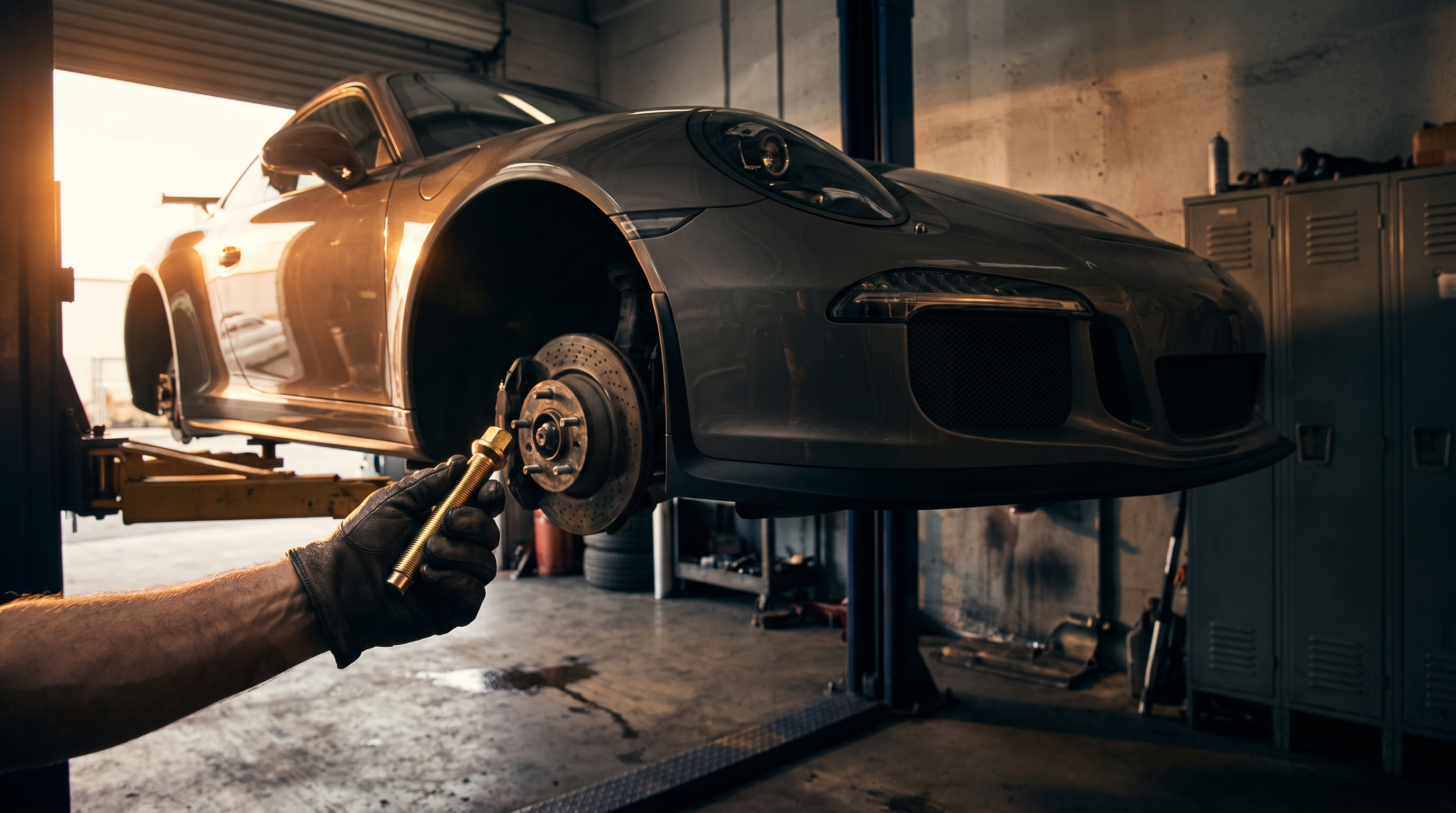
This is where extended studs earn their keep. They're longer versions of your factory stud, pressed into the same hub, giving you the extra reach needed to run spacers or wider wheels without sacrificing clamping strength.
What To Actually Look For
Not all studs are created equal, and this is one corner of your build you do not want to cheap out on:
Material — look for chromoly or similarly high-strength steel, not soft mild steel
Length — measure your intended spacer/wheel setup and add enough for full engagement, don't eyeball it
Thread pitch — has to match your hub exactly (a common one is 12x1.25)
Set size — buy a full set at once so every stud on the car matches in age and spec
Our shop pick here is the Megan Racing 20-piece Extended Wheel Studs (12x1.25, 52mm) — enough to do a full car front to back, with the extra length to handle real spacer setups without playing thread-engagement roulette. Check them out here.
Installing Them Without Wrecking Your Hub
A few real-world tips before you dive in:
Pull the old stud correctly. Don't hammer it out blind — support the hub flange and press it out, or use a stud removal tool so you don't warp anything.
Press, don't pound, the new one in. A few flat washers and a lug nut make a perfectly good makeshift press if you don't have the fancy tool.
Torque to spec, every time. Skipping a torque wrench here is exactly how you end up back at square one.
Re-torque after 50 miles. New studs and wheels seat in — a follow-up check catches anything that settled.
The Bottom Line
Extended wheel studs are cheap insurance for an expensive mistake — if you're running spacers or wider wheels, don't skip them. They cost less than a tank of premium and take an afternoon to install, but the alternative is a wheel that isn't fully clamped down.
Running spacers on your ride right now — extended studs already, or still on factory length? Drop it in the comments.
Frequently Asked Questions
When do I need extended wheel studs?
Any time you add a wheel spacer, a wider wheel or an aftermarket offset. Factory studs are sized for the factory wheel at the factory offset, and adding a spacer makes them reach further than designed, cutting thread engagement.
How much thread engagement do wheel studs need?
At least equal to the stud's diameter, full engagement with no shortcuts. Too little and a single pothole can let a lug nut back off.
What size spacer can I run on factory studs?
Factory studs are sized for zero to minimal spacer clearance; most spacers over about 5 mm start eating into safe thread engagement, at which point you need extended studs.
What should I look for in extended wheel studs?
A strong material such as chromoly, the correct thread pitch and knurl diameter for your hub, and enough length for full thread engagement with your spacer or wheel setup.
Comments