
Why 90s JDM Imports Are Suddenly Worth More Than Your House Deposit

Updated: Oct 31
Why 90s JDM Imports Are Suddenly Worth More Than Your House Deposit
Remember when a clean Skyline was just "that weird import your mate had"? Yeah, those days are dead. Across Europe, 90s Japanese metal is pulling auction numbers that would've gotten you laughed out of the room a decade ago — and the whole scene is moving fast enough to give your wallet whiplash.
The Numbers Don't Lie
This isn't just internet hype talk. Collector-car valuation trackers have been flagging Japanese performance icons from the 90s as one of the fastest-appreciating segments in the entire classic market. Think about what's driving it:
The 25-year import rule keeps unlocking fresh waves of JDM-only legends in markets that couldn't touch them before.
Millennials and Gen Z buyers grew up on Gran Turismo and Initial D, and now they actually have the money to buy the poster car.
Limited production numbers on homologation specials mean supply was never going to keep up with this kind of demand.
Clean, unmolested, low-mileage examples are getting scarce — most of these cars lived a hard life getting modified, raced, or just rusted out in a damp garage somewhere.
What's Actually Moving the Needle
It's not every Japanese car from the era — it's the icons. Skyline GT-Rs, Supras, NSXs, RX-7s, even cult-status wagons are climbing. And in Europe specifically, right-hand-drive JDM cars are landing in markets (UK, Ireland, parts of the continent) where they slot right in, no conversion drama needed.
If You're Buying One, Don't Skip the Fundamentals
Rising values mean rising stakes if you buy wrong. A few things that separate a smart buy from an expensive lesson:
Chassis rust — especially on cars that spent winters anywhere near road salt.
Service history — these engines can be bulletproof if they were maintained right. Timing belts, turbo seals, cooling systems — check it all.
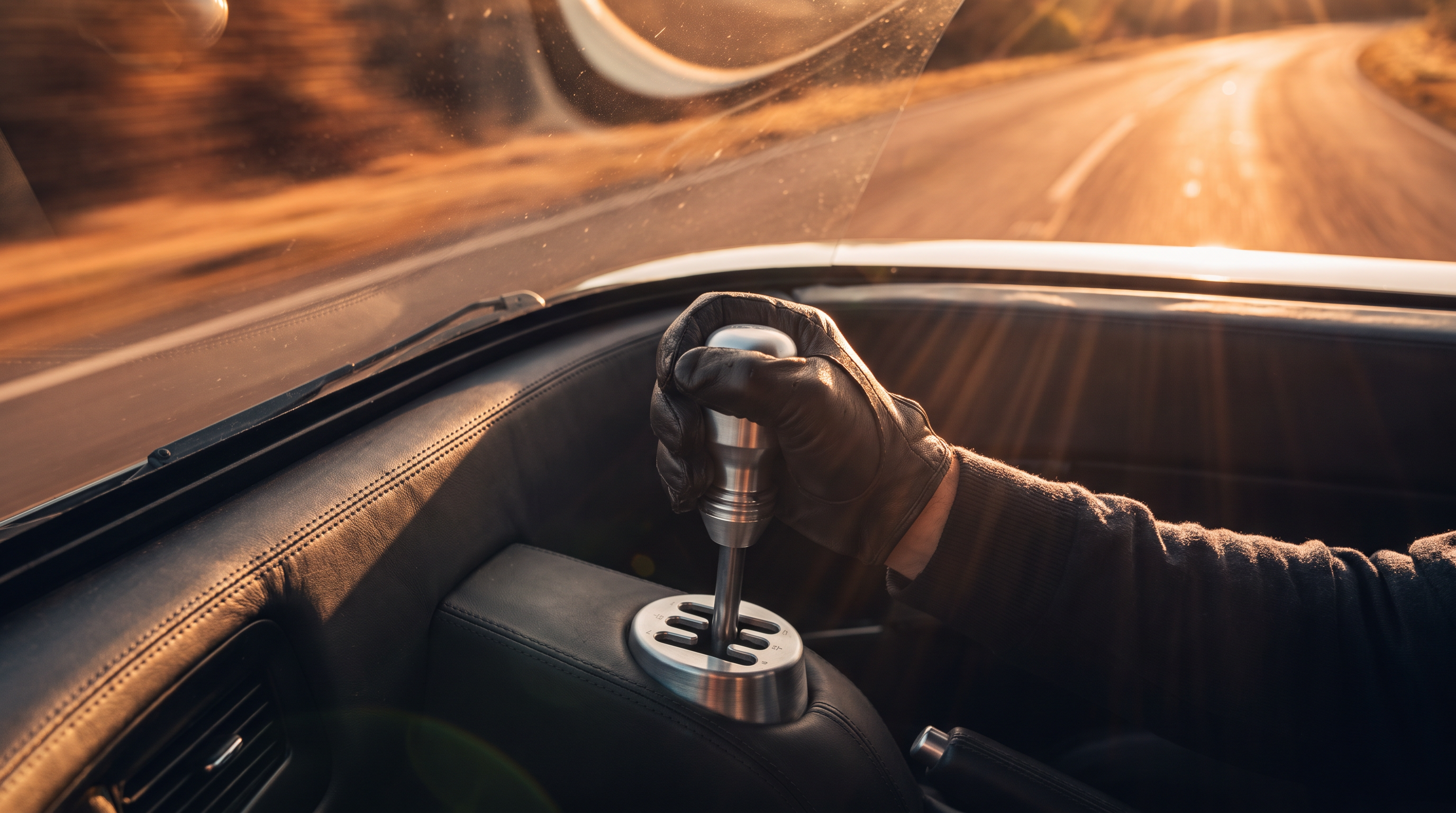
Modification history — tasteful, reversible mods (think a quality exhaust tip or a tasteful shift knob swap) are fine. Hacked wiring and welded-in nonsense is not.
If you're putting together your own project car or just refreshing a daily that's finally earning some respect, small upgrades go a long way without touching originality where it counts — swap in a Dual Carbon Fiber Exhaust Tip for a cleaner look on the stock setup, or freshen up a tired interior with a BMW M-Sport Style Crystal Shift Knob if your factory one's gone sticky and gross with age.
The Auction Floor Tells the Real Story
Walk into any serious European classic auction right now and the energy around the Japanese lots is completely different than it was five years ago. Paddles go up fast, bidding wars break out over cars that used to sit unsold, and the "sleeper" reputation these cars had is officially gone. They're not sleepers anymore — they're headline acts.
That shift matters for anyone who already owns one of these cars, and it matters even more for anyone hunting for their first. The window to grab a genuinely affordable 90s JDM legend in Europe is closing — not gone, but closing.
Source: trend tracked via Hagerty
Bottom line: the 90s JDM market in Europe has gone from niche to headline act, and the clock's ticking on the "affordable" part.
Which 90s JDM car do you wish you'd bought five years ago — and which one are you still holding out for? Drop it in the comments.
Frequently Asked Questions
Why are 90s JDM imports suddenly worth more than a house deposit?
Across Europe, 90s Japanese metal is pulling auction numbers that would've gotten you laughed out of the room a decade ago — and the whole scene is moving fast enough to give your wallet whiplash.
What are some of the factors driving the sudden increase in value for 90s JDM imports?
The 25-year import rule keeps unlocking fresh waves of JDM-only legends in markets that couldn't touch them before. Millennials and Gen Z buyers grew up on Gran Turismo and Initial D, and now they actually have the money to buy the poster car. Limited production numbers on homologation specials mean supply was never going to keep up with this kind of demand.
Which specific Japanese cars from the 90s are appreciating in value?
Skyline GT-Rs, Supras, NSXs, RX-7s, even cult-status wagons are climbing.
What should I look for when buying a 90s JDM import to ensure a good investment?
Chassis rust — especially on cars that spent winters anywhere near road salt. Service history — these engines can be bulletproof if they were maintained right. Timing belts, turbo seals, cooling systems — check it all. Modification history — tasteful, reversible mods (think a quality exhaust tip or a tasteful shift knob swap) are fine. Hacked wiring and welded-in nonsense is not.

Comments