Stick Shift Nation: Why the Manual Transmission Refuses to Die

Stick Shift Nation: Why the Manual Transmission Refuses to Die
Everyone told you the manual was dead. Buried. Replaced by paddle shifters and dual-clutch wizardry that's objectively faster around a track. And yet here we are in 2026, watching three-pedal cars sell out, hold their value, and dominate enthusiast forums like it's 2005 all over again. Something weird is happening — and we're here for it.
The Numbers Don't Lie
Automatic transmissions are objectively quicker-shifting, more efficient, and easier to live with in traffic. So why do manual-equipped used cars keep commanding premiums of 10-20% over their automatic twins at auction? Because enthusiasts aren't buying a transmission — they're buying an experience, and experience doesn't depreciate the same way.
A few reasons the stick refuses to go quietly:
Theft deterrence — fewer people under 35 know how to drive one, which (no joke) makes manual cars harder to steal
Resale resilience — collector-grade manuals consistently outperform automatic variants of the same model
The "skill tax" factor — driving one well is a flex, and flexes never go out of style
Emotional connection — rowing your own gears turns a commute into an event
Your Shifter Is Doing More Work Than You Think
Here's the thing nobody tells you: the factory shift knob on most cars is a cheap, hollow plastic afterthought. It's the one part of the car your hand touches on every single shift, and manufacturers treat it like a rounding error in the BOM.
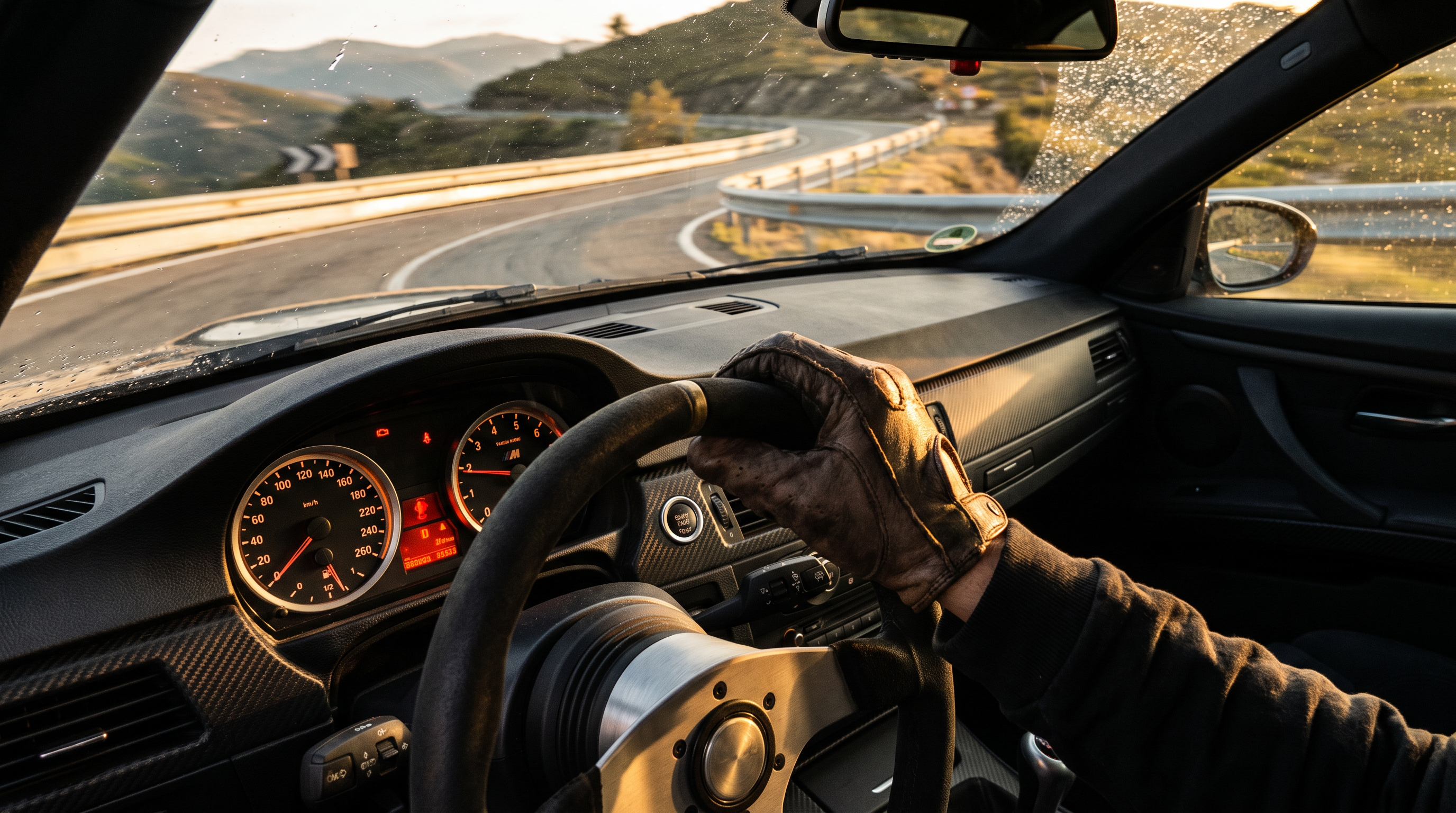
Swap it for something with actual mass and grip, and the whole shifting experience sharpens up — shorter perceived throws, better feedback, and honestly, it just looks better than stock. If you're running a GTI, a BMW, or keeping the Saab flame alive, a proper billet knob is one of the cheapest upgrades that changes how a car feels every time you drive it:
Heel-Toe or Go Home
Want to know the real reason manuals command this kind of cult following? It's the skills you build that an automatic can't teach you. Heel-toe downshifting — blipping the throttle with the edge of your brake foot while clutching in — is basically a secret handshake for people who care about driving. It's not required to drive fast. It's required to drive well, and that distinction matters to the people keeping the manual alive.
The Bottom Line
Automakers keep predicting the manual's death, and enthusiasts keep proving them wrong one sold-out allocation at a time. Whether it's nostalgia, theft-proofing, or just the pure joy of a clean 2-3 shift, the stick isn't going anywhere — it's just getting rarer, which only makes it more desirable.
Source: Hagerty has tracked manual-equipped collector cars consistently outperforming automatics at auction for years running.
The manual transmission isn't dying — it's becoming the ultimate flex. Are you Team Stick or Team Paddle, and would you ever buy a performance car without three pedals? Drop your take below.
Frequently Asked Questions
Why do manual transmission cars still sell and hold their value?
Enthusiasts aren't buying a transmission — they're buying an experience, and experience doesn't depreciate the same way. Manuals consistently outperform automatic variants of the same model at auction.
Why are fewer people under 35 able to steal manual transmission cars?
Theft deterrence — fewer people under 35 know how to drive a manual transmission, which (no joke) makes manual cars harder to steal.
What are some reasons people keep buying and using manual transmission cars?
Resale resilience — collector-grade manuals consistently outperform automatic variants of the same model, emotional connection — rowing your own gears turns a commute into an event, and the 'skill tax' factor — driving a manual well is a flex, and flexes never go out of style.
Why is the factory shift knob often a cheap, hollow plastic item?
Manufacturers treat the factory shift knob like a rounding error in the Bill of Materials (BOM), so it's usually a cheap, hollow plastic afterthought.
Comments