Sleeper Alert: The Minivan At Your Local Cruise-In That Could Eat Your Hellcat

Sleeper Alert: The Minivan At Your Local Cruise-In That Could Eat Your Hellcat
That beige wagon in the back row with the hubcaps and the "Baby On Board" sticker? It just walked a modified Mustang off the line and nobody saw it coming. Welcome to sleeper culture, where the ugliest car in the lot is the one you should actually be scared of.
What Actually Makes A Sleeper A Sleeper
A sleeper isn't just "an old car with a fast engine." It's a build philosophy — maximum violence, zero visual drama. The whole game is restraint:
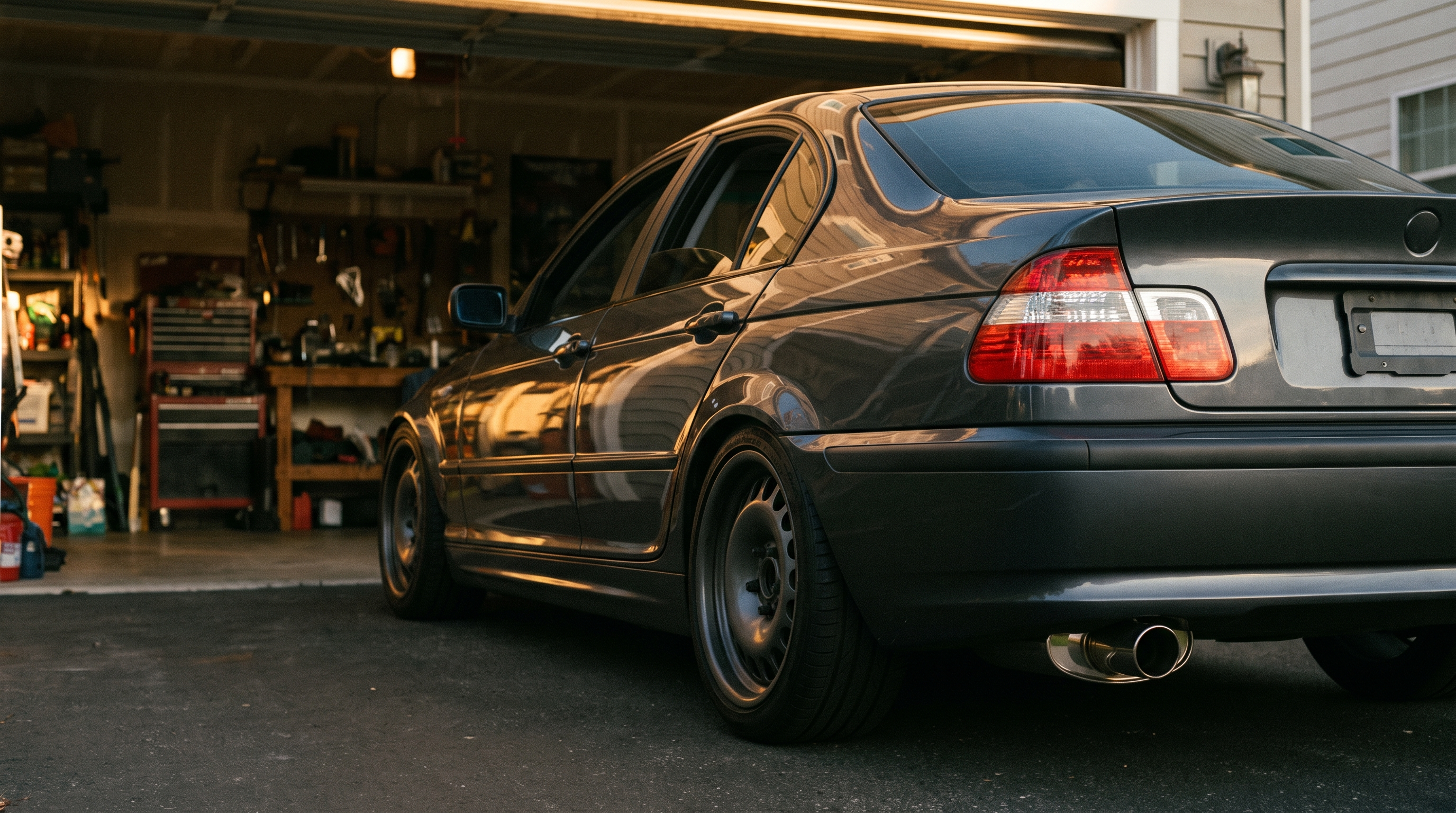
Stock-looking body panels, factory paint, no body kit
Wheels that look boring but are the right size/offset for grip
Suspension and brakes upgraded to actually handle the power
All the spicy stuff — turbo, intercooler, fuel system — hidden under a hood that still looks stock
The second you bolt on a wing or a wrap, you've blown your cover. The mission is to get smoked by nobody and smoke everybody.
Under The Hood Is Where The Lies Happen
This is the part that actually separates a real sleeper from a guy who just didn't wash his car. Pop the hood and the story changes completely.
Real-world sleeper legends prove the formula works at every price point:
Buick Regal GS / Grand National — grandpa's parking-lot special, factory turbo V6 that embarrassed Corvettes in the '80s
Dodge Grand Caravan with a Hellcat swap — yes, this is a real build people have done, and yes, it's as funny as it sounds
Audi RS6 Avant — a wood-paneled-looking family wagon packing ~591 hp from the factory
Volvo wagons with Polestar tuning — IKEA-run energy with a genuinely mean mid-range punch
The budget version of all of this lives under your own hood: a clean exhaust and intercooler setup, hidden boost, and nothing on the outside to give it away.
The Chassis Work Nobody Notices (Until They Lose)
A sleeper that can't stop or turn is just a scary car with a short lifespan. Power without chassis upgrades is how "sleeper" turns into "insurance claim." Dialing in proper alignment and suspension geometry is what lets you actually use the power once it's there — which is exactly why something like Whiteline Rear Adjustable Toe Arms is one of the most underrated sleeper upgrades on the list. Nobody at the meet notices toe arms. Everybody notices when your car tracks straight at 120 mph instead of walking sideways.
Weekend Mods That Keep You Under The Radar
Want sleeper energy without a full turbo kit? Start small and stay sneaky:
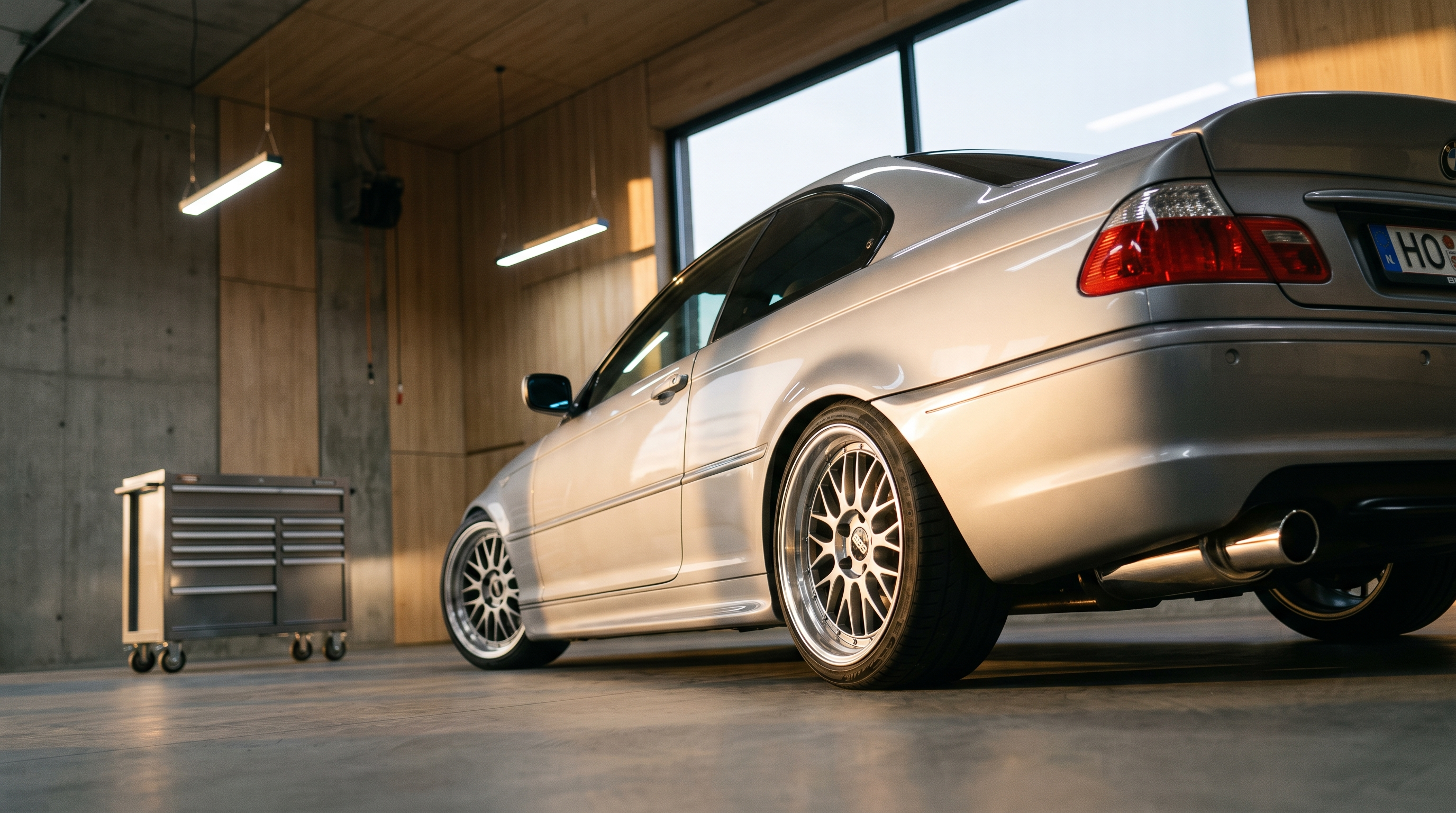
Upgrade your exhaust tips for a deeper tone without going full race-exhaust loud — something like a Dual Carbon Fiber Exhaust Tip, 3-inch Inlet adds a subtle, mean note without screaming "look at me"
Swap your interior shift knob for something that feels right in-hand (and tells your passengers something they weren't expecting)
Keep your wheels stock-looking, just confirm they're the right fitment for grip, not just looks
Why This Trend Isn't Going Anywhere
Sleeper builds keep gaining momentum in the enthusiast world precisely because they flip the script on car culture's usual flex-first approach — the win is private, and that's the whole appeal.
Sleeper car culture has been a recurring favorite in the enthusiast world — see Hagerty for more on the history of factory and built sleepers.
The best car at the meet is the one nobody looked at twice — until it was already gone.
What's the most unassuming car that's ever absolutely clowned you off the line? Tell us about it in the comments.
Frequently Asked Questions
What makes a car a sleeper?
A sleeper isn't just 'an old car with a fast engine.' It's a build philosophy — maximum violence, zero visual drama. The whole game is restraint: Stock-looking body panels, factory paint, no body kit. Wheels that look boring but are the right size/offset for grip. Suspension and brakes upgraded to actually handle the power. All the spicy stuff — turbo, intercooler, fuel system — hidden under a hood that still looks stock.
What are some examples of sleeper cars?
Real-world sleeper legends prove the formula works at every price point: Buick Regal GS / Grand National — grandpa's parking-lot special, factory turbo V6 that embarrassed Corvettes in the '80s. Dodge Grand Caravan with a Hellcat swap — yes, this is a real build people have done, and yes, it's as funny as it sounds. Audi RS6 Avant — a wood-paneled-looking family wagon packing ~591 hp from the factory. Volvo wagons with Polestar tuning — IKEA-run energy with a genuinely mean mid-range punch.
Why is chassis work important for a sleeper car?
A sleeper that can't stop or turn is just a scary car with a short lifespan. Power without chassis upgrades is how 'sleeper' turns into 'insurance claim.' Dialing in proper alignment and suspension geometry is what lets you actually use the power once it's there.
What are some weekend mods that keep a sleeper car under the radar?
Want sleeper energy without a full turbo kit? Start small and stay sneaky: Upgrade your exhaust tips for a deeper tone without going full race-exhaust loud — something like a Dual Carbon Fiber Exhaust Tip, 3-inch Inlet. Swap your interior shift knob for something that feels right in-hand (and tells your passengers something they weren't expecting). Keep your wheels stock-looking, just confirm they're the right fitment for grip, not just looks.
Comments