Sleeper Agent: Why the Scariest Car at the Stoplight Looks Like Nothing at All

Updated: Sep 9
Sleeper Agent: Why the Scariest Car at the Stoplight Looks Like Nothing at All
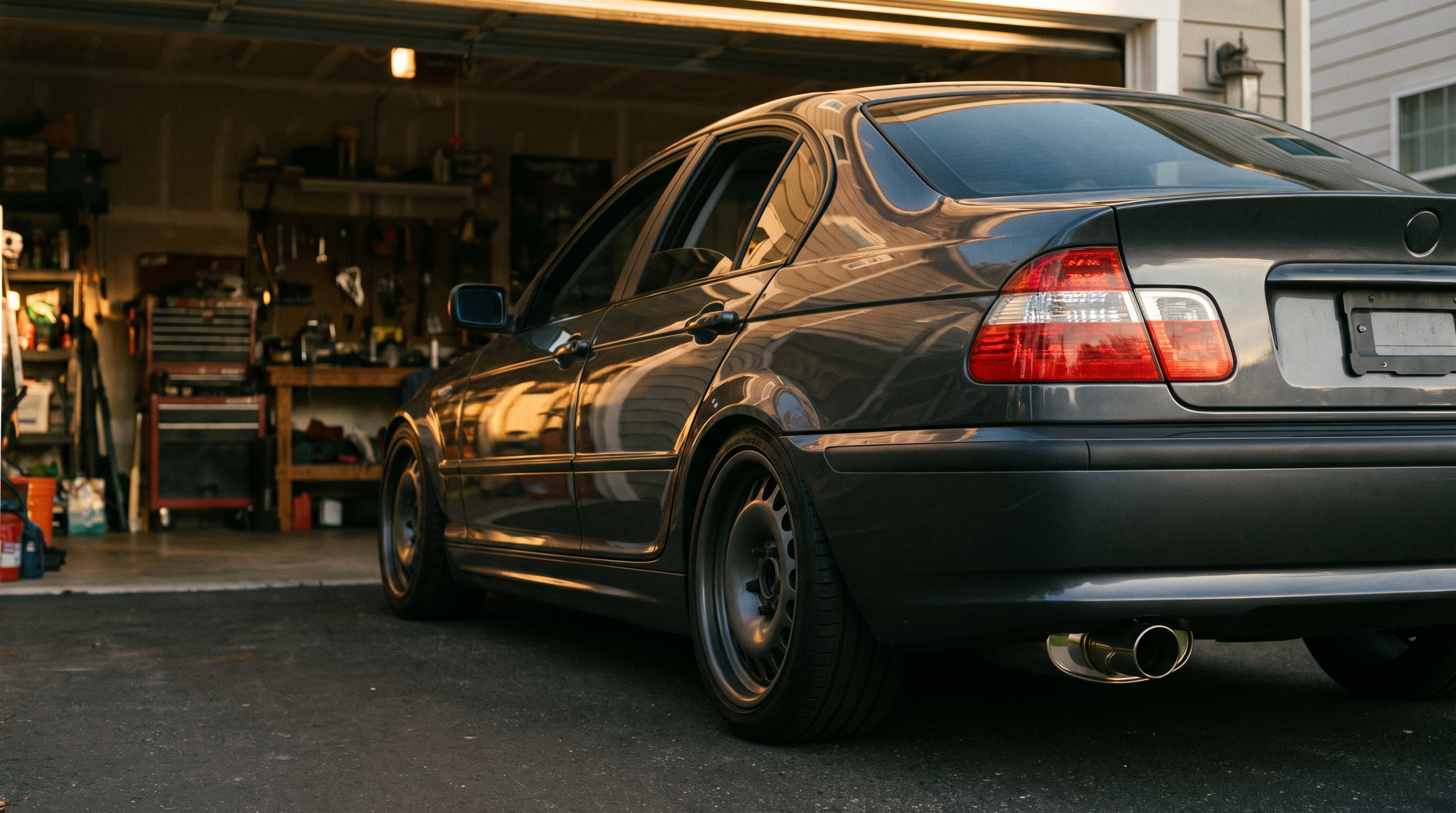
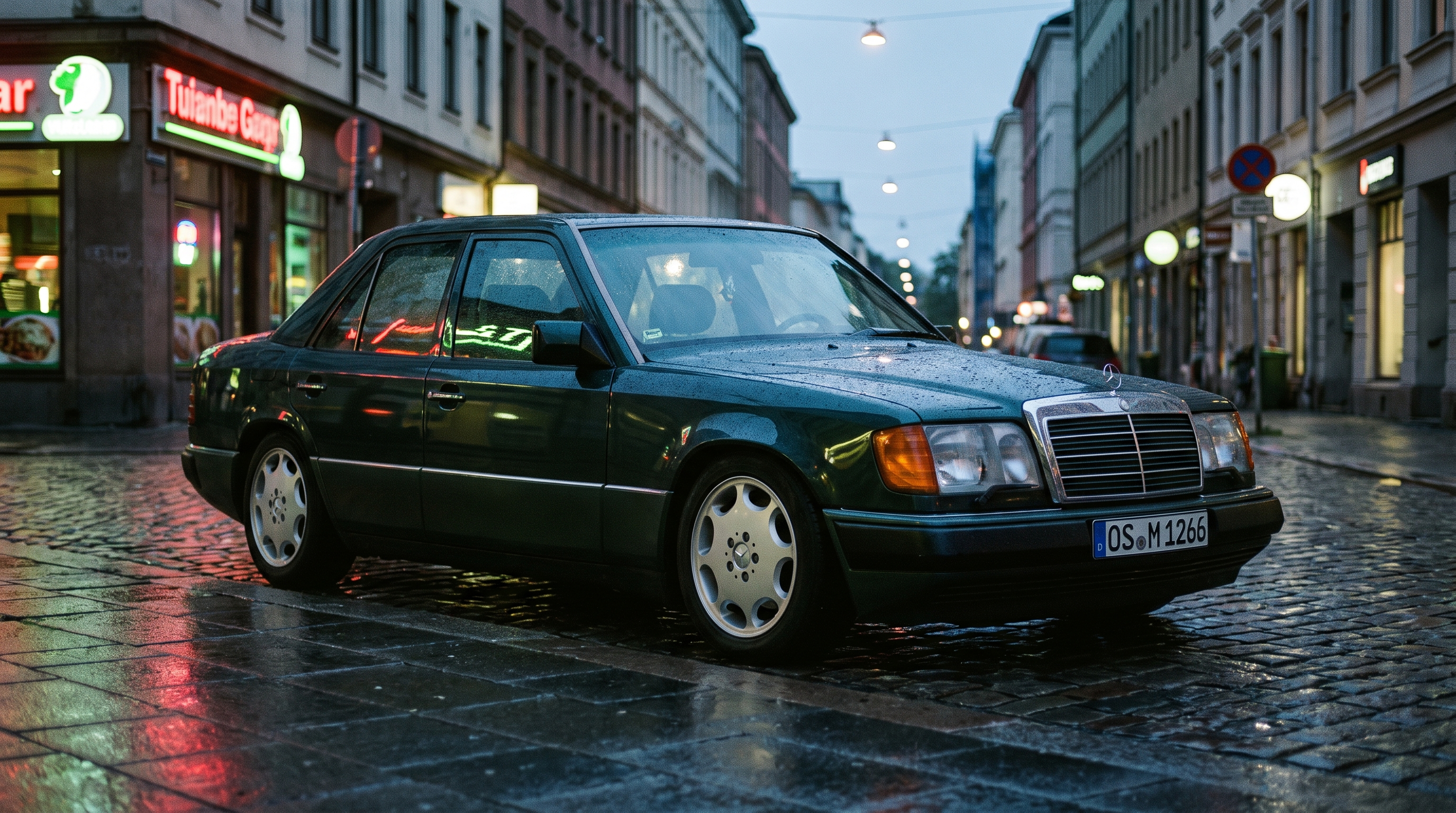
Forget the wide-body kits and the wing you could land a Cessna on. The most terrifying thing in your rearview mirror might be a beige wagon with a rusty hubcap and a driver who just will not stop grinning. Welcome to sleeper culture, where the mission is simple: look boring, go fast, humble everybody.
What Actually Makes a Sleeper a Sleeper
A sleeper isn't just "an old car with a big engine." The whole point is the contrast. You're taking something the world has written off — a grandma-spec sedan, a rental-fleet wagon, a fleet truck nobody would look at twice — and quietly stuffing it with the guts of something that shouldn't exist under that hood.
The unwritten rules of the build:
Keep the outside stock, or close to it. Faded paint is a feature, not a bug.
Put the budget where nobody can see it — turbo plumbing, fuel system, drivetrain, brakes.
Never, ever advertise. No badges, no stickers, no cold-air intake screaming through the hood.
The reveal happens exactly once, at a stoplight, and that's the whole point.
The Classics That Started It All
Sleeper culture didn't start on TikTok — it's been a car-guy tradition for decades. A few legends that basically wrote the playbook:
Volvo 240/850 wagons — Swedish tanks that happily swallow a turbo and keep hauling IKEA furniture.
Buick Grand National / GNX — factory-turbo, matte-black, and in 1987 it out-accelerated the Corvette of the same year. Detroit did not see that coming.
Crown Victoria P71 — ex-police interceptors with a V8 and a suspension that's already been beaten on for 100,000 miles of pursuit driving.
Modern builders have just applied the same logic to newer platforms — think base-model hatchbacks and diesel wagons hiding built engines under completely unmodified sheet metal.
What's Under the Skin
Here's where the actual money goes on a proper build, and it's rarely the engine alone:
Turbo & intercooler upgrades for the power nobody sees coming
Fuel system built to actually support that power safely
Suspension geometry so the chassis can handle what the engine's now putting down — this is the part everyone skips and regrets
The Part Nobody Talks About: Suspension
Everyone obsesses over horsepower and forgets that a sleeper still has to turn and stop like it means it. Stock geometry designed for a soft-riding commuter car doesn't hold up once you've doubled the power output — rear toe wanders under load, and suddenly your secret weapon is also a handful in a corner.
That's exactly the kind of fix that doesn't show on the outside but changes everything on the inside. Something like Whiteline's Rear Adjustable Toe Arms let you dial the rear geometry back in once you've added power — keeping the car predictable at speed instead of squirrely, without touching a single body panel. Peak sleeper logic: invisible mod, massive difference.
Why This Culture Refuses to Die
Sleepers have had a real resurgence lately — enthusiast media has been running the "beat the Bugatti in a Camry with a swapped motor" genre of video for years now because it just keeps getting clicks, and for good reason: it's the ultimate underdog story on four wheels. In an era of increasingly loud, increasingly aggressive-looking performance cars, there's something deeply satisfying about a build that lets the numbers do the talking instead of the bodykit.
It's also just cheaper. Skipping the aero, the wrap, the show-car paint means the entire budget goes toward stuff that actually makes the car quicker and safer to drive fast.
Trend reference: Donut Media
The best build is the one nobody sees coming. Have you ever gotten smoked at a light by something that looked like it should've been at the junkyard — or better yet, built the sleeper yourself? Tell us about it in the comments.
Frequently Asked Questions
What are the unwritten rules of a sleeper build?
Keep the outside stock or close to it, faded paint is a feature; put the budget where nobody can see it such as turbo plumbing, fuel system, drivetrain and brakes; and never advertise with badges, stickers or a loud intake. The reveal happens once, at a stoplight.
What cars are considered sleeper legends?
Volvo 240, 850 and V70 wagons that happily take a turbo, along with grandma-spec sedans and fleet trucks nobody looks at twice. The whole appeal is the contrast between how it looks and how it moves.
Is sleeper culture new?
No. It has been a car-enthusiast tradition for decades, long before social media. The idea of a plain car hiding serious power goes back to the muscle and turbo era.
Comments