Manual Transmissions Refuse to Die — And 2026 Is Proving It

Updated: Oct 7
Gearheads, grab your clutch foot — we need to talk. Everyone said the stick shift was dead, buried next to the cassette tape and the carburetor. It didn't get the memo.
Manuals are creeping back into showrooms, enthusiast forums are louder than ever about "save the manuals," and resale values on clean stick-shift cars are climbing faster than their automatic twins. So what's actually going on here?
The Numbers Don't Lie
Manual transmission take-rates have been in single digits for most mainstream cars for over a decade — but in the performance and enthusiast segment, that number has been climbing, not falling. A few things are driving it:
Resale premiums. Clean manual examples of sports cars routinely fetch 10-20% more at auction than automatic equivalents.
Theft deterrent, accidentally. Fewer people under 35 know how to drive one — which means a manual car is a built-in anti-theft device.
Enthusiast demand is loud. Automakers have noticed that "stick available" sells headlines even when it barely sells units.
Why Your Right Leg Still Matters
Hagerty has tracked this exact trend for years — the emotional connection to rowing your own gears is proving stickier (pun intended) than anyone in a boardroom predicted.
It's Not Just Nostalgia — It's Engagement
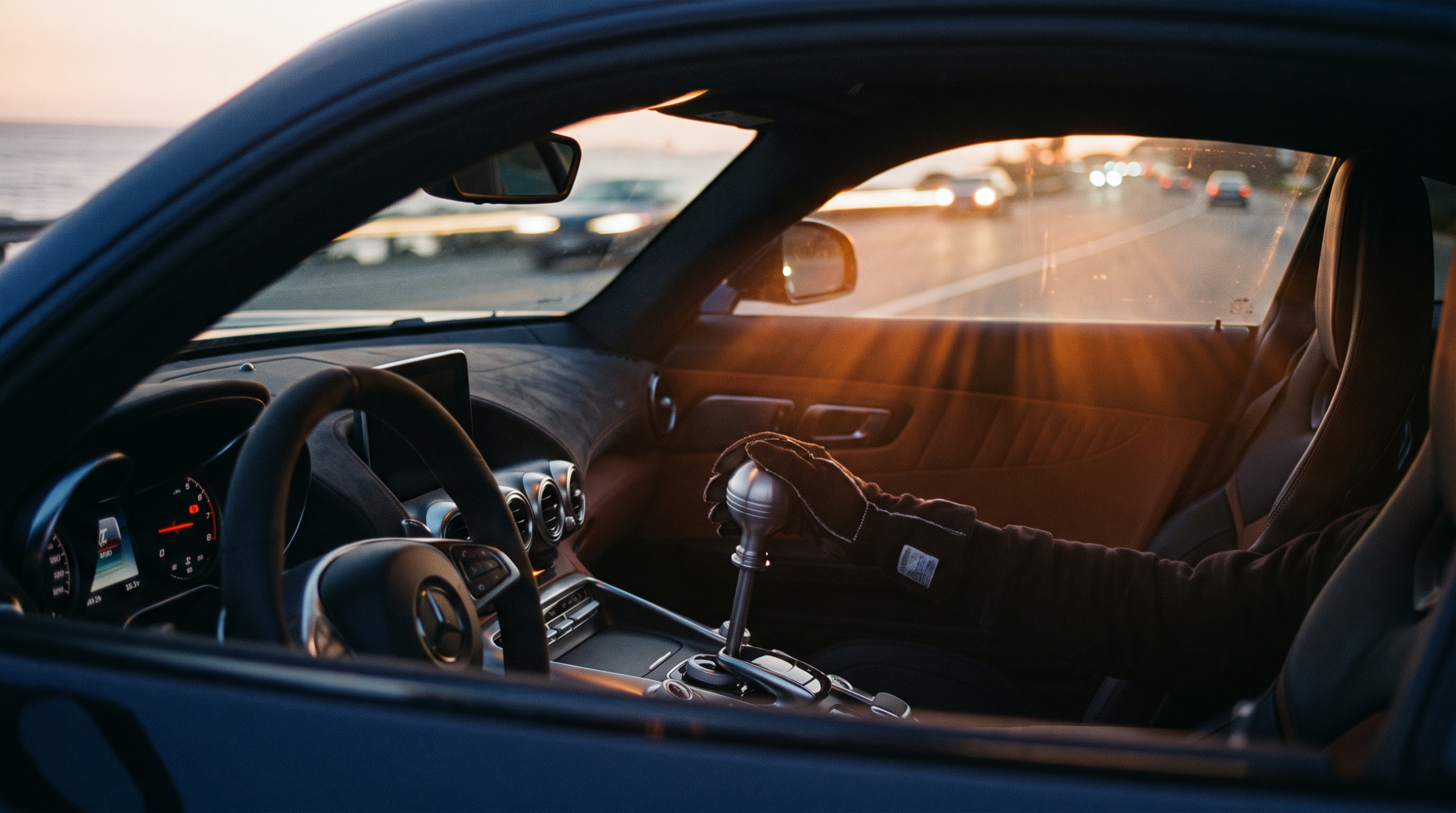
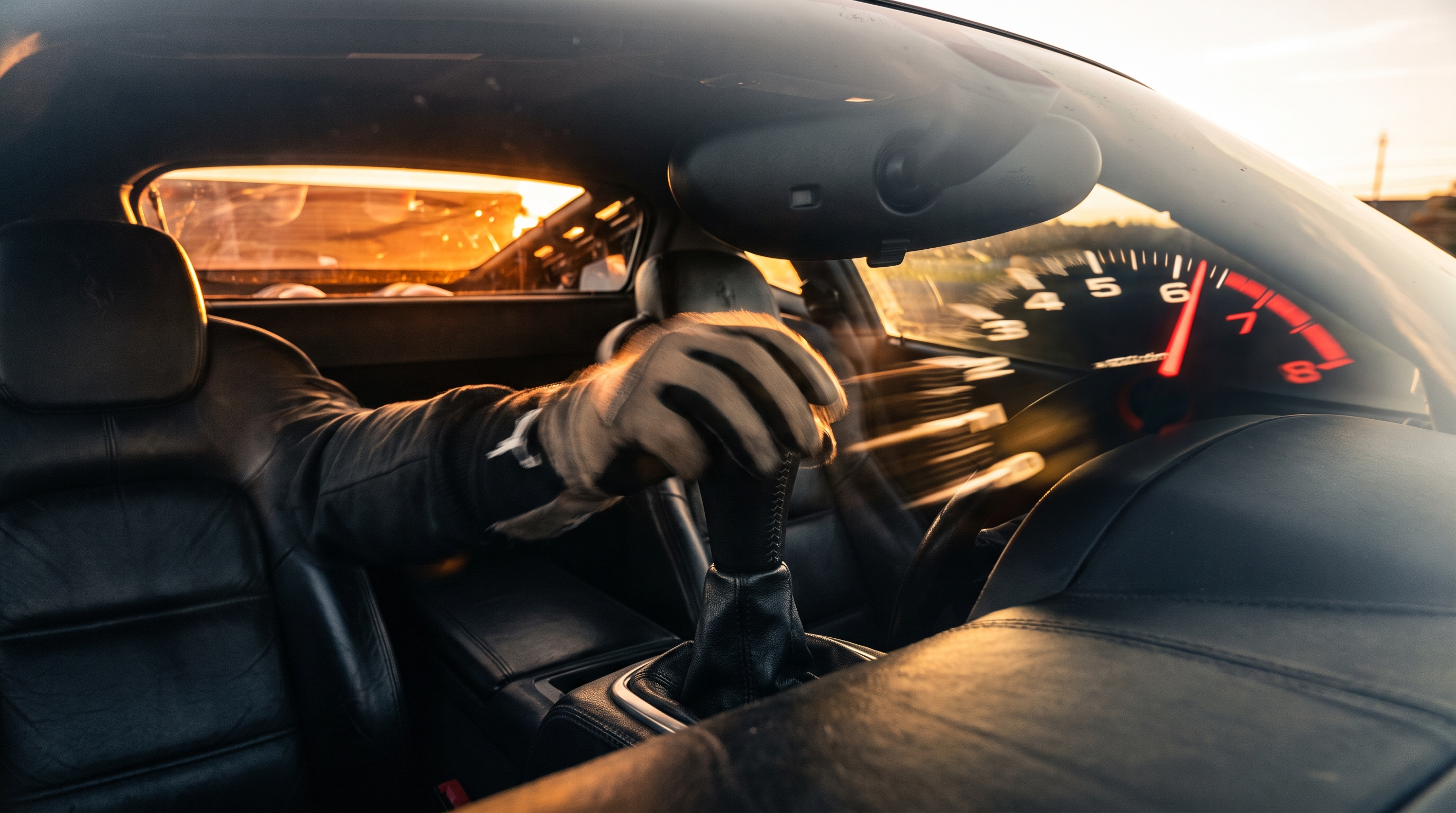
A manual forces you to actually drive. Heel-toe downshifts, matching revs, feeling the clutch bite right at the friction point — none of that exists in a torque-converter automatic or even the snappiest dual-clutch box. That's the whole appeal:
You're in the loop on every gear change, not a passenger to a computer's decision
Rev-matching on a downshift into a hairpin is one of the last truly skill-based driving moments left
It's harder to be lazy — and that's exactly the point
Keep Your Shifter Game Tight
If you're rocking a stick — or building one back up after a swap — the shift knob is the one part of the whole drivetrain you physically touch every single gear change. A worn, loose, or just plain ugly factory knob kills the feel. Upgrade that contact point and the whole shifting experience levels up.
Check out the BMW M-Sport Style Crystal Shift Knob — billet construction, weighted for crisp, positive gear engagement, and it looks the business doing it.
In the Garage, It's a Different Story
Manual gearboxes are also just... simpler to wrench on. No solenoids, no valve bodies, no transmission control module throwing cryptic codes. A clutch job and a gearbox rebuild are approachable weekend projects for a shade-tree mechanic with the right tools and a shop manual.
Source: Hagerty
Bottom line: the manual transmission isn't dying — it's becoming the enthusiast's last line of defense against a fully automated driving experience.
So tell us: are you a three-pedal diehard, or have you made peace with the paddle shifters? Drop a comment below.
Frequently Asked Questions
Why are manual transmissions becoming more popular among enthusiasts?
Manual transmission take-rates have been in single digits for most mainstream cars for over a decade — but in the performance and enthusiast segment, that number has been climbing, not falling. A few things are driving it: Resale premiums. Clean manual examples of sports cars routinely fetch 10-20% more at auction than automatic equivalents. Theft deterrent, accidentally. Fewer people under 35 know how to drive one — which means a manual car is a built-in anti-theft device. Enthusiast demand is loud. Automakers have noticed that 'stick available' sells headlines even when it barely sells units.
What makes driving a manual transmission different and appealing?
A manual forces you to actually drive. Heel-toe downshifts, matching revs, feeling the clutch bite right at the friction point — none of that exists in a torque-converter automatic or even the snappiest dual-clutch box. That's the whole appeal: You're in the loop on every gear change, not a passenger to a computer's decision Rev-matching on a downshift into a hairpin is one of the last truly skill-based driving moments left It's harder to be lazy — and that's exactly the point.
Why should someone with a manual transmission car upgrade their shift knob?
If you're rocking a stick — or building one back up after a swap — the shift knob is the one part of the whole drivetrain you physically touch every single gear change. A worn, loose, or just plain ugly factory knob kills the feel. Upgrade that contact point and the whole shifting experience levels up.
Are manual transmissions easier to work on compared to automatic transmissions?
Manual gearboxes are also just... simpler to wrench on. No solenoids, no valve bodies, no transmission control module throwing cryptic codes. A clutch job and a gearbox rebuild are approachable weekend projects for a shade-tree mechanic with the right tools and a shop manual.
Comments