
Extended Wheel Studs: The $70 Upgrade That Could Save Your Fender (And Your Track Day)

Extended Wheel Studs: The $70 Upgrade That Could Save Your Fender (And Your Track Day)
Stock wheel studs are built for stock wheels. The second you throw on spacers, wider fitment, or aggressive camber, you're asking those tiny factory threads to do a job they were never designed for. We put budget "it'll be fine" thinking up against the premium route to see what actually changes when you upgrade.
Why Stock Studs Run Out of Thread Fast
Factory wheel studs are engineered around factory wheel offset. The moment you add:
Wheel spacers (even 5-10mm ones)
Aftermarket wheels with deeper hub pockets
Aggressive camber/fitment setups
...you eat into the usable thread engagement. Less thread engagement means less clamping force, and less clamping force means a wheel that can work itself loose at the worst possible moment - mid-corner, mid-highway, doesn't matter.
The Premium Fix: Extended Studs Done Right
This is exactly the gap Megan Racing's 20-pc Extended Wheel Studs (12x1.25, 52mm) are built to close. Instead of white-knuckling your lug nuts onto half-engaged threads, you get full-length studs designed specifically to keep proper clamping force even with spacers or deeper-dish wheels in the mix.
Check out the Megan Racing Extended Wheel Studs if your fitment game has outgrown your factory hardware.
Budget vs. Premium: What Actually Changes
Thread engagement with spacers: Stock studs run marginal to insufficient. Extended studs give full engagement, by design.
Material: Stock hardware is mixed quality and can run soft. Premium studs are hardened for repeated torque cycles.
Track/autocross confidence: Stock means inspecting constantly. Extended means built for the abuse.
Install difficulty: Stock is easy (you do nothing). Extended is a moderate press-in swap - worth every minute.
The price difference on a 20-piece set is genuinely small compared to what you're protecting: your wheels, your fender liners, and honestly, everyone around you on the road.
The Install Reality Check
Swapping studs isn't a five-minute job, but it's a very doable weekend garage task:
Pull the wheel, remove the old stud (press-out or hammer-and-socket method)
Press in the new extended stud with a stack of washers and a lug nut as a makeshift press
Torque everything back to spec once seated
Re-torque after your first 50 miles - always
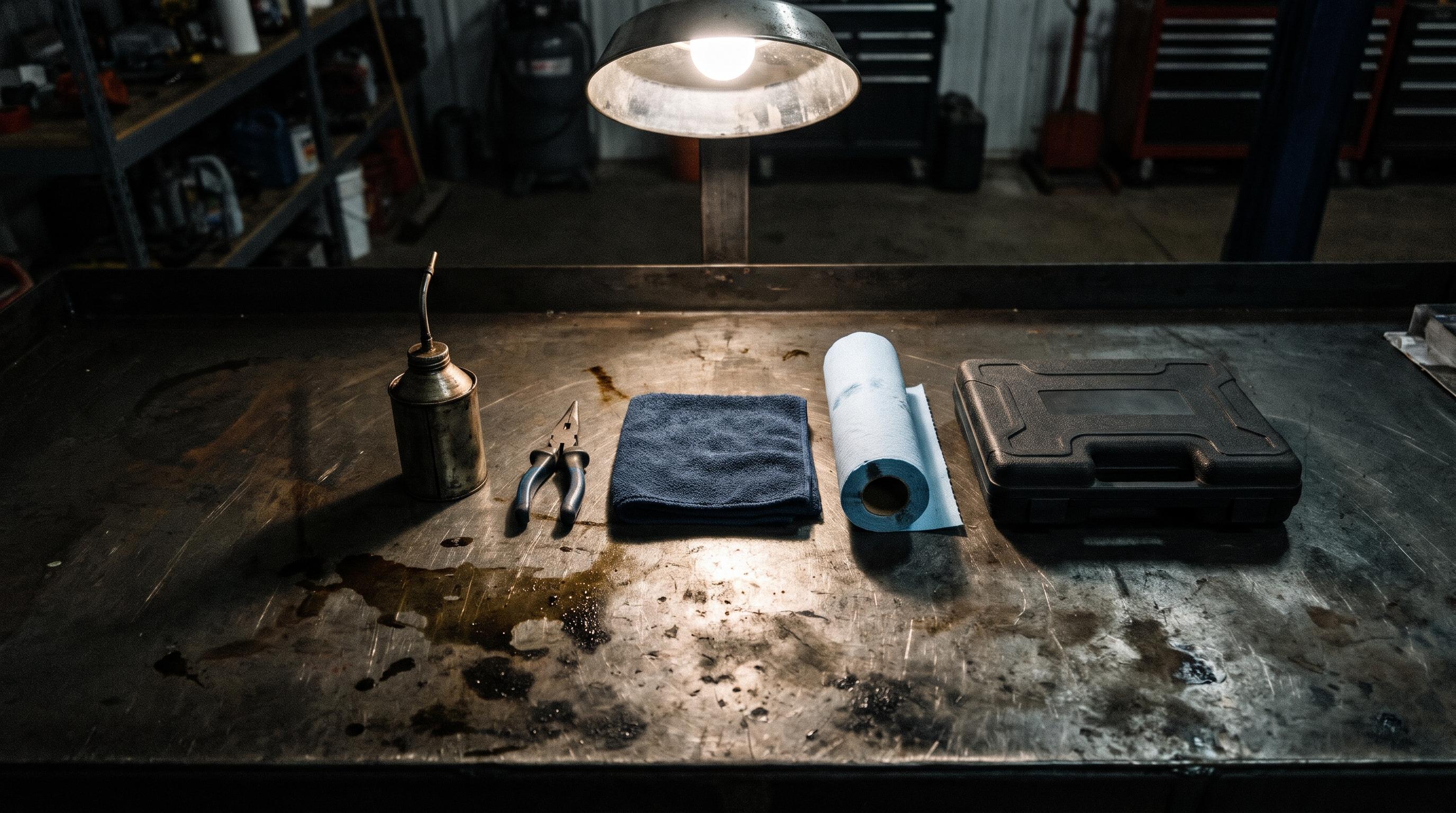
Keep your bench organized and your hands clean while you work - a solid kit and the Humbl Garage Essentials Kit covers the basics you'll want within arm's reach for a job like this.
Side-by-Side: Stock vs. Extended
Lay a worn stock stud next to a fresh extended one and the difference isn't subtle - it's night and day in both length and finish.
The fitment and wide-track trend across the car community isn't slowing down any time soon - spacers and deep-dish wheels keep getting more popular on everything from daily drivers to dedicated track builds, and the hardware underneath needs to keep up.
Source: Hagerty
Bottom line: if you're running spacers or aggressive fitment, extended studs aren't a mod - they're the safety net under your mods.
Have you made the switch to extended studs, or are you still riding on stock hardware with spacers? Tell us in the comments.
Frequently Asked Questions
What is the main issue with stock wheel studs?
Stock wheel studs are built for stock wheels. The second you throw on spacers, wider fitment, or aggressive camber, you're asking those tiny factory threads to do a job they were never designed for.
How do extended wheel studs address the issue of stock studs?
Extended wheel studs, like Megan Racing's 20-pc Extended Wheel Studs (12x1.25, 52mm), are full-length studs designed specifically to keep proper clamping force even with spacers or deeper-dish wheels in the mix.
What is the main difference between budget and premium wheel studs?
The main difference is the thread engagement with spacers and the material quality. Premium studs are hardened for repeated torque cycles and give full engagement, while budget studs run marginal to insufficient.


Comments